PAI Materials & Forms

Polyamide-imide (PAI) is a high-performance engineering polymer developed for demanding mechanical and thermal environments. With excellent strength, stiffness and wear resistance in selected grades, PAI is used in precision components, bearings, bushings, wear parts and other high-load applications.

High-Performance Engineering Polymer

Understanding Polyamide-imide (PAI)

PAI combines the structural characteristics of amide and imide chemistry to deliver a distinctive balance of mechanical strength, stiffness, thermal performance and wear resistance. It is often considered when conventional engineering plastics cannot meet demanding load-bearing or dimensional requirements.

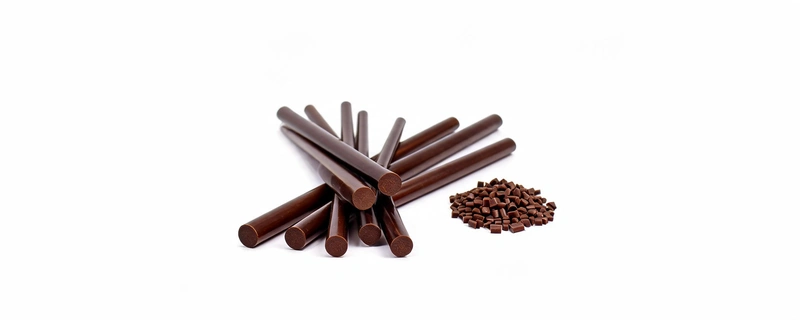
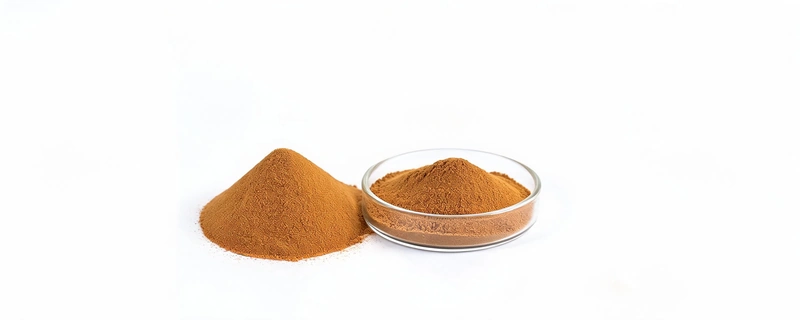
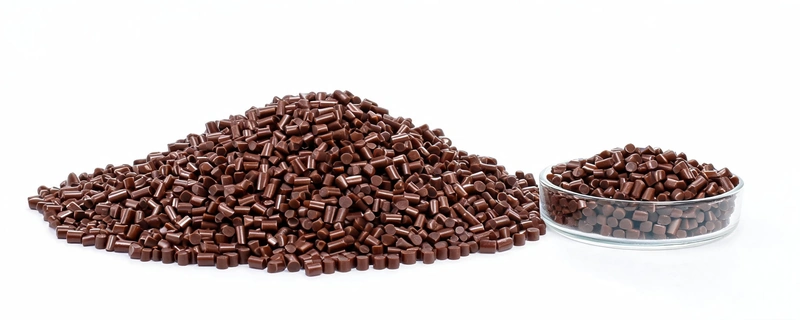
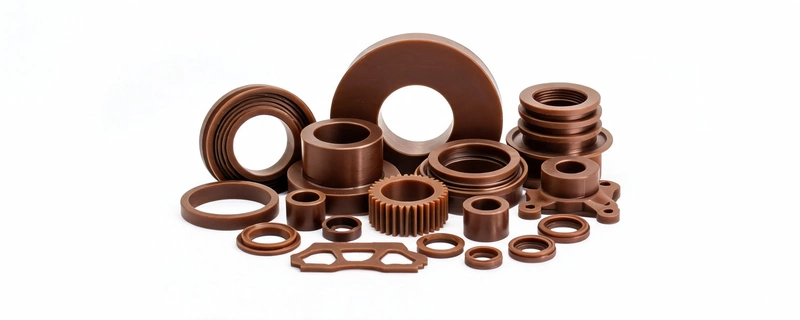
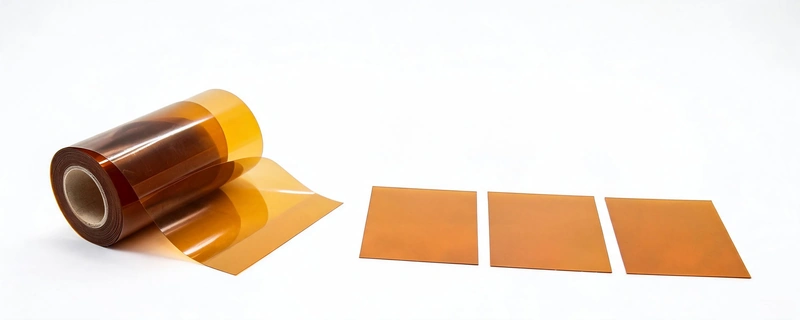
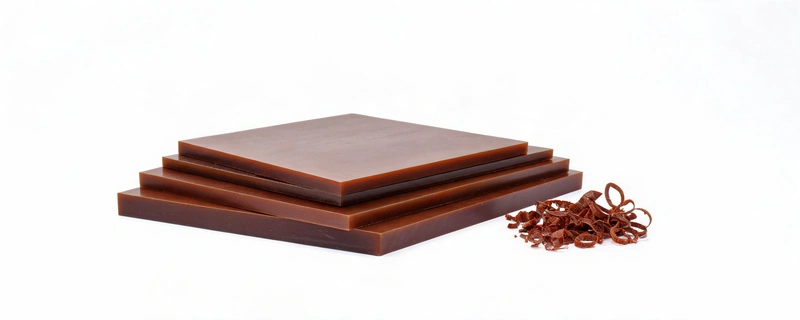
Depending on the grade and manufacturing process, PAI can be supplied as semi-finished stock shapes, specialty powders, molding compounds or finished components. The correct form and grade should be selected according to the final application, processing method and operating environment.

Product Portfolio

PAI materials in different forms.

Explore our PAI product forms and technical guides. Contact us with your required specifications, application details or drawings for material selection and quotation.

Material Characteristics

Why engineers consider PAI.

PAI is selected for applications where mechanical performance, wear resistance and thermal capability must work together. Its actual performance depends on the grade, material condition and service environment.

High Mechanical Strength

Selected PAI grades provide high tensile and compressive strength, making them suitable for demanding load-bearing components and precision mechanical parts.

High Stiffness

PAI offers a high modulus in many grades. This can help components maintain structural rigidity under mechanical loading when the design and operating conditions are appropriate.

Wear Resistance

Certain PAI formulations are used in sliding and contact applications, including bushings, bearings, wear pads and precision machine components.

Thermal Performance

PAI is designed for demanding thermal environments. Its practical service temperature depends on grade, load, exposure time and surrounding conditions.

Dimensional Stability

PAI can provide good dimensional stability under suitable conditions. Moisture absorption, temperature changes, machining stress and part geometry should still be considered.

Specialty Formulations

Different PAI grades and filled formulations can be designed for particular mechanical, electrical, friction and wear requirements.

Engineering note: PAI does not have one universal set of mechanical or thermal values. Always evaluate the technical datasheet for the exact grade and test method. For demanding applications, actual operating conditions and component design are as important as the material's nominal properties.
Industrial Applications

Where is PAI used?

PAI is used in selected applications that require a combination of strength, stiffness, wear performance and thermal capability.

Bearings & Bushings

Selected PAI grades can be used for precision bushings, bearings and sliding components operating under demanding mechanical conditions.

Semiconductor Equipment

PAI components may be considered for equipment parts requiring dimensional control, mechanical strength and suitable thermal performance. Grade cleanliness and application requirements must be evaluated.

Aerospace Components

Selected PAI materials are used in specialized aerospace and transportation components where mechanical and thermal requirements are demanding.

Industrial Machinery

Wear pads, guide components, rollers and other machine parts may benefit from the mechanical performance of suitable PAI grades.

Automotive Systems

PAI can be considered for selected automotive components exposed to mechanical stress, friction or elevated temperatures.

Electrical & Precision Parts

Depending on the grade, PAI may be used in electrical insulation components, precision supports and specialized mechanical assemblies.

Material Selection

PAI vs. PEEK: What should engineers consider?

PAI and PEEK are both high-performance engineering polymers, but they are not interchangeable. Their suitability depends on the actual operating conditions and manufacturing requirements.

Mechanical Loading

PAI is often considered where high stiffness, strength and wear resistance are important. PEEK also offers a strong mechanical property profile across many grades. Compare grade-specific data under the actual loading conditions.

Moisture & Environment

PAI generally requires careful consideration of moisture absorption and conditioning. PEEK typically has lower moisture absorption, which may be important for certain dimensional or environmental requirements.

Processing & Cost

PAI stock shapes and PEEK stock shapes have different processing considerations. Machining, material availability, component geometry and total manufacturing cost should all be included in the selection.

The best material is not necessarily the one with the highest headline property value. Consider the complete application: load, speed, temperature, moisture, chemical exposure, tolerances, service life and total cost.
Frequently Asked Questions

PAI Material FAQs

Answers to common questions about PAI materials, product forms, machining and engineering applications.

1. What is PAI material?

PAI stands for Polyamide-imide, a high-performance engineering polymer known for its combination of mechanical strength, stiffness, wear resistance and thermal capability. It is used in demanding industrial components where ordinary engineering plastics may not provide sufficient performance.

2. What are the main advantages of PAI?

Depending on the grade, PAI can offer high strength, high stiffness, good dimensional stability, wear resistance, creep resistance and performance at elevated temperatures. Actual properties depend on material formulation, manufacturing process and operating conditions.

3. What forms of PAI material are available?

PAI may be supplied in different forms, including sheets, rods, powder, specialty molding compounds, films and CNC machined components. Availability and processing suitability depend on the specific PAI grade and manufacturing route.

4. Can PAI be used for high-temperature applications?

PAI is designed for demanding thermal environments, but its usable temperature depends on grade, mechanical load, exposure time, environment and component design. Engineers should consult the relevant technical datasheet rather than rely on one temperature value for all PAI materials.

5. Is PAI suitable for bearings and bushings?

Selected PAI grades are used for bearings, bushings, wear pads and other sliding components. Grade selection should consider load, speed, mating surface, lubrication, temperature, wear and the possibility of frictional heat.

6. Can PAI be CNC machined?

Yes. PAI stock shapes can be CNC machined into precision components. Machining strategy should account for the material grade, internal stress, moisture conditioning, part geometry, clamping, heat generation and dimensional inspection requirements.

7. Is PAI the same as PEEK?

No. PAI and PEEK are different high-performance polymers with different property profiles, processing methods and application considerations. The better choice depends on temperature, mechanical loading, wear, chemical exposure, moisture, cost and manufacturing requirements.

8. How can I select the right PAI grade?

Start with the operating temperature, load, movement, wear conditions, chemical exposure, dimensional tolerances and manufacturing method. Share the application details or drawing with the supplier so the material grade and stock form can be evaluated.
Looking for PAI materials or machined parts?

Tell us your required form, grade, dimensions or application. Our team can help review your requirements and provide product information for your project.

Request a Quote