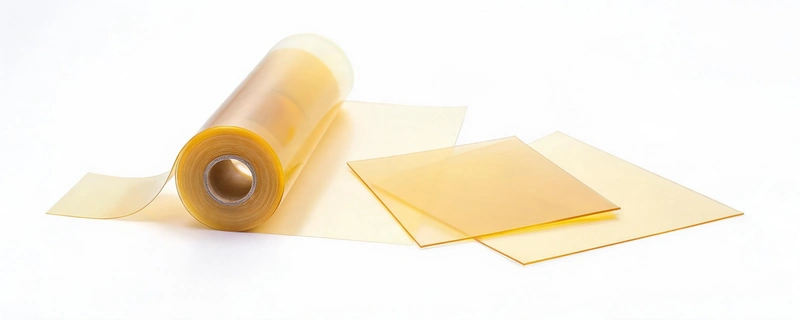
PEI Materials & Forms

Polyetherimide (PEI) is a high-performance amorphous thermoplastic known for its combination of mechanical strength, dimensional stability, electrical properties and natural amber transparency. Explore PEI stock shapes, processing materials and custom components for demanding industrial applications.

Product Portfolio

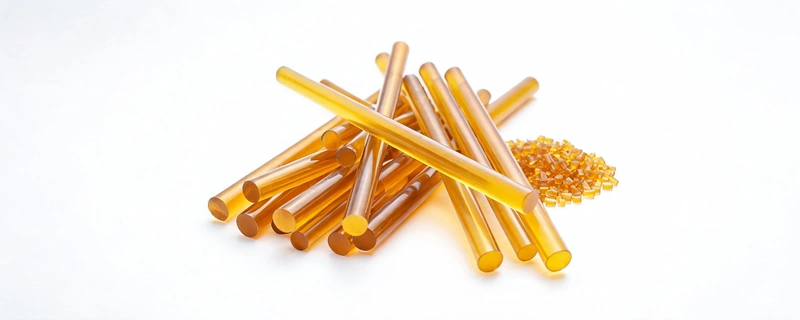
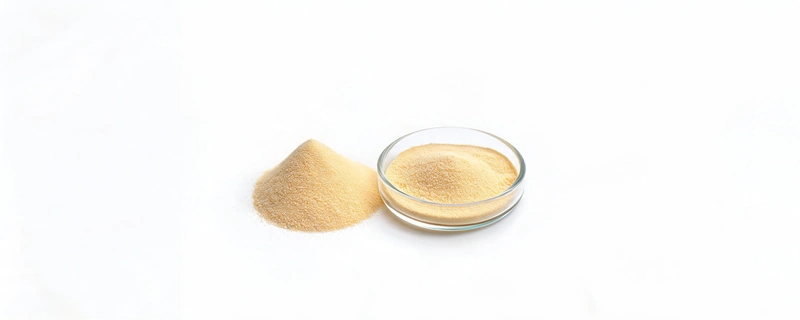
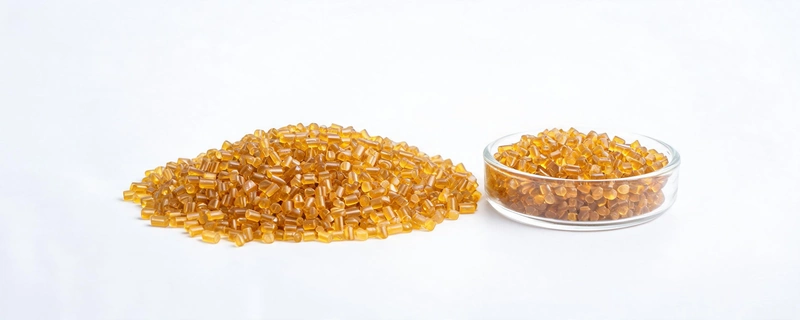
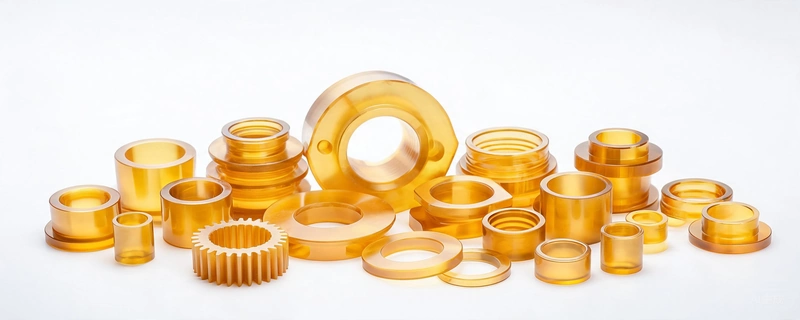
PEI materials in different forms.

Select the material form that matches your manufacturing process and application. Product availability, dimensions and grade options are subject to confirmation.

Teda Plastics supplies PEI-related material forms for engineering, manufacturing and industrial sourcing. Whether you need stock shapes for machining, resin for molding or specialty film, the correct grade should be selected according to the required properties and processing conditions.
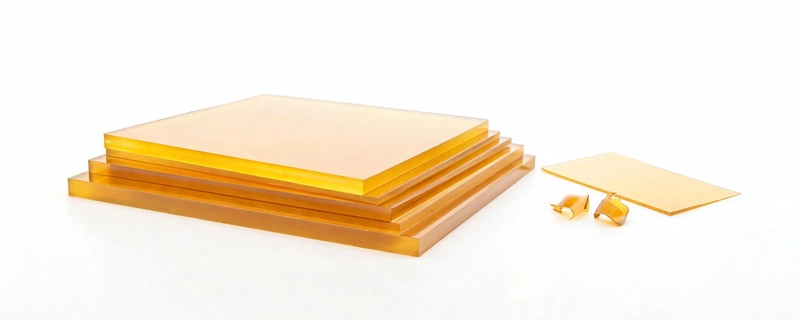
Material Characteristics

Why engineers consider PEI.

PEI combines several useful engineering properties in one amorphous thermoplastic. Actual performance depends on grade, part geometry, processing history and service conditions.

Thermal Performance

PEI retains useful mechanical properties at elevated temperatures. The allowable service temperature depends on the grade, load, exposure time and design requirements.

Mechanical Strength

PEI offers a combination of strength and stiffness that makes it suitable for selected structural, precision and electrical components.

Electrical Insulation

Its electrical characteristics make PEI a candidate for insulating components and electrical equipment. Verify the relevant dielectric data for the selected grade and thickness.

Natural Transparency

Unfilled PEI commonly has a transparent amber appearance. Color and light transmission can vary with thickness, formulation and processing.

Flame Performance

Certain PEI grades offer favorable flame-retardant performance. Confirm the exact grade classification and test standard before specifying it in a design.

Dimensional Stability

PEI can provide useful dimensional stability in precision applications. Moisture, temperature, residual stress and machining conditions should still be considered.

Engineering note: The values reported in PEI datasheets are grade-specific. Do not use a single tensile strength, modulus or service-temperature figure as a guaranteed value for every PEI product. Request the technical datasheet for the material being evaluated.
Typical Applications

Where PEI is used.

PEI is selected for applications where a combination of heat resistance, mechanical performance, electrical insulation and dimensional stability is required. It is used in a range of industrial and engineering environments.

  • Electrical and electronics: insulating parts, connectors, housings and precision components.
  • Industrial equipment: fixtures, structural components, spacers and machine parts.
  • Transportation: selected interior and technical components where flame performance and temperature resistance matter.
  • Medical-related equipment: components made from grades suitable for the intended sterilization and regulatory requirements.
  • Precision engineering: machined parts requiring a balance of strength, stiffness and dimensional control.

For medical, food-contact, aerospace or other regulated applications, the exact grade, applicable approvals, sterilization method and compliance documentation must be checked before material selection. A general PEI designation alone does not establish regulatory suitability.

Material Selection

Is PEI the right material for your application?

PEI is not automatically the best choice for every high-temperature application. Engineers should compare the required operating temperature, mechanical load, chemical exposure, electrical properties, dimensional tolerances and total manufacturing cost.

Depending on the application, alternative materials such as PEEK, PPS, PSU, PPSU or PI may also be considered. These polymers have different performance profiles and processing requirements. The right comparison should be based on actual grade datasheets and the intended service environment.

When requesting PEI materials, it is helpful to provide the required form, dimensions, quantity, operating conditions and intended manufacturing process. For machined parts, drawings and tolerance requirements help us evaluate the request.

Teda Plastics

PEI material sourcing and technical support.

Teda Plastics supports overseas buyers sourcing engineering plastics in different material forms. We can discuss PEI sheets, rods, resin granules, specialty powder, film and custom-machined components according to project requirements.

To help us identify a suitable material, please share your required dimensions, grade or brand reference, quantity, application and any relevant technical specifications. We can then review the requirements and confirm the available options.

Frequently Asked Questions

PEI material FAQs.

Common questions about PEI properties, product forms and material selection.

1. What is PEI material?

PEI stands for polyetherimide. It is an amorphous high-performance thermoplastic known for its combination of mechanical strength, thermal performance, electrical insulation and natural amber transparency.

2. Is PEI the same as PEEK?

No. PEI and PEEK are different polymer families. They have different chemical structures, thermal behavior, mechanical properties and processing characteristics. Material selection should be based on the specific application and grade data.

3. What color is natural PEI?

Unfilled PEI commonly has a transparent amber or yellowish-brown appearance. The exact color and transparency can vary with product thickness, grade, formulation and processing.

4. Is PEI suitable for high-temperature applications?

PEI is used in selected elevated-temperature applications. However, its allowable operating temperature depends on the grade, mechanical load, exposure duration and surrounding environment. Always consult the relevant technical datasheet.

5. Can PEI be used for electrical insulation?

Yes. Certain PEI grades are used in electrical and electronic insulating components. Dielectric strength, dielectric constant, dissipation factor and other electrical properties should be checked for the selected grade and material thickness.

6. Can PEI withstand steam sterilization?

Some PEI grades are used in applications involving repeated steam sterilization. Suitability depends on the specific grade, sterilization cycle, temperature, exposure time, component design and required service life. Confirm compatibility with the material manufacturer.

7. What PEI product forms are available?

PEI may be supplied in forms such as sheets, rods, resin granules, specialty powder and film, as well as machined components. Actual product forms, dimensions and availability depend on the grade and supplier.

8. What information is needed for a PEI quotation?

Please provide the product form, grade or brand reference, dimensions, quantity, application and destination country. For CNC machined parts, include drawings, material requirements and dimensional tolerances where possible.

Looking for PEI materials?

Send us your material specifications, dimensions or drawings. Our team will review your requirements and discuss suitable options.

Request a PEI Quote