Teda Plastics supplies polytetrafluoroethylene (PTFE) materials for industrial applications requiring excellent chemical resistance, low friction and reliable performance across a wide temperature range. Explore PTFE sheets, rods, powders, films and CNC machined components.
Different PTFE forms are designed for different processing methods and applications. Select a product category below to explore its characteristics, specifications and selection considerations.
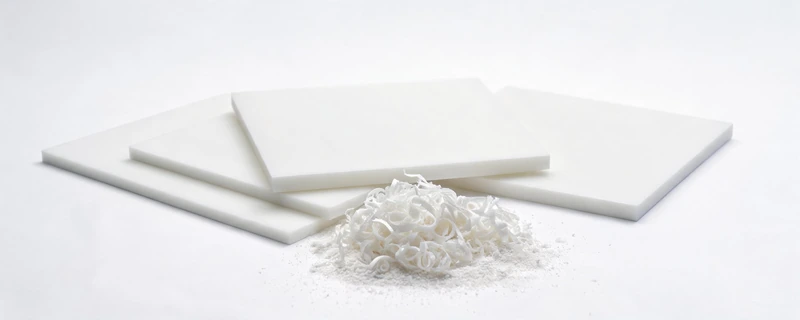
Virgin and filled PTFE sheets for gaskets, sealing components, linings, insulation parts and custom-machined plates. Thickness and sheet dimensions depend on grade and production method.
Explore PTFE Sheet Guide →
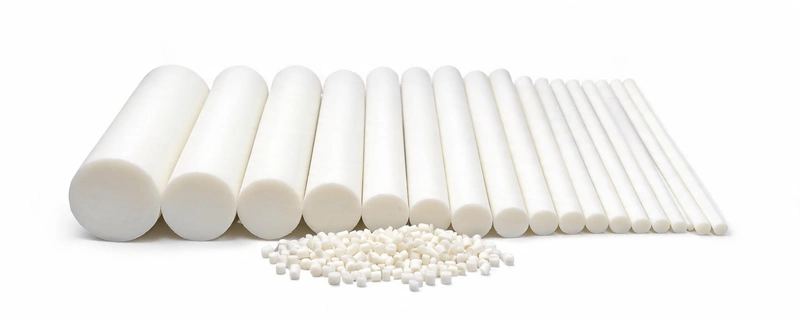
PTFE round rods for bushings, seals, valve components, wear parts and precision-machined cylindrical components. Diameter and length options require specification confirmation.
Explore PTFE Rod Guide →
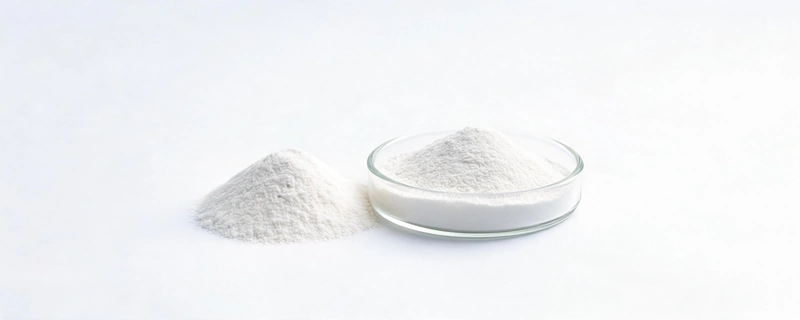
PTFE powders for selected applications in coatings, lubricants, plastics modification and specialty compounding. Powder properties and particle characteristics vary by grade and intended process.
Explore PTFE Powder Guide →
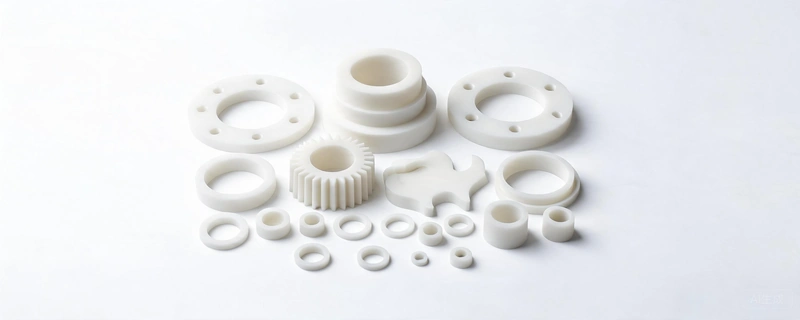
Custom-machined PTFE components, including seals, gaskets, bushings and fluid-handling parts. Machining feasibility and achievable tolerances depend on geometry and material behavior.
Explore PTFE CNC Guide →
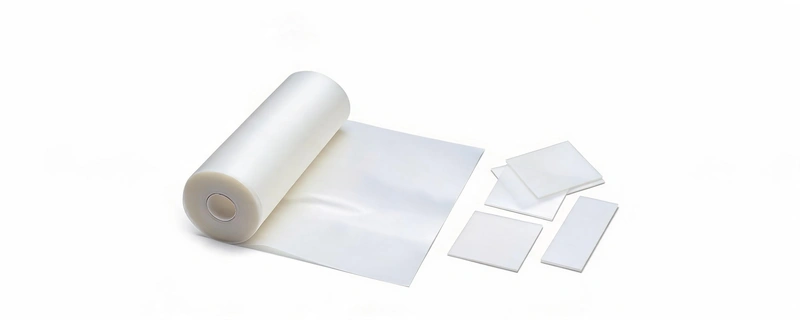
Thin PTFE films, including skived film options, for electrical insulation, release surfaces, chemical-resistant barriers and other specialized applications.
Explore PTFE Film Guide →PTFE is a fluoropolymer valued for its chemical resistance, low friction, electrical properties and wide operating-temperature range. Its suitability depends on the specific grade and application.
Virgin PTFE is commonly selected for chemical resistance, electrical insulation and low-friction applications. Filled PTFE compounds may incorporate glass fiber, carbon, graphite, bronze or other additives to modify properties such as wear resistance, stiffness, creep behavior and dimensional stability.
The best formulation depends on operating conditions, mating materials, load, speed and chemical exposure. Filled PTFE is not automatically suitable for every chemical or sealing application.
The following figures are general reference values for unfilled virgin PTFE. They are not guaranteed specifications for every grade, filled compound or finished product.
| Property | Typical Reference Value | Important Notes |
|---|---|---|
| Continuous Service Temperature | Approximately -200°C to +260°C | Application, grade, load and exposure conditions matter. |
| Coefficient of Friction | Often around 0.04–0.10 | Highly dependent on test conditions, pressure, speed and mating surface. |
| Tensile Strength | Approximately 20–35 MPa | Varies with grade, processing and test method. |
| Density | Approximately 2.1–2.3 g/cm³ | Filled PTFE compounds have different densities. |
| Chemical Resistance | Excellent against many chemicals | Check specific media, temperature and operating conditions. |
| Water Absorption | Very low | Useful for applications requiring low moisture uptake. |
Reference values are indicative only. For material selection and engineering design, request the technical data sheet for the specific PTFE grade. Filled and modified compounds can have significantly different properties.
PTFE is used across a range of industries where chemical resistance, low friction, non-stick properties or electrical insulation are required.
Gaskets, linings, seals and fluid-handling components exposed to many corrosive chemicals.
Sliding pads, bushings, wear rings and low-friction components, with grade selection based on load and wear conditions.
Insulating components, films and cable-related applications requiring suitable dielectric performance.
Selected seals, liners and contact components using grades that meet the relevant regulatory and documentation requirements.
Sealing, sliding and low-friction components in applications where temperature and chemical compatibility are considered.
Custom-machined parts, valve components, protective surfaces and specialized engineering components.
Selecting PTFE is not only about choosing a shape or thickness. The formulation should match the operating conditions and performance requirements of the finished component.
Basic information to help purchasing teams and engineers evaluate PTFE materials.
Tell us which PTFE form you need, along with the grade, dimensions, quantity or technical drawing. Teda Plastics can review your requirements and provide quotation support.
Request a PTFE QuoteEmail: info@tedaplastics.com | WhatsApp: +86 186 5333 9873