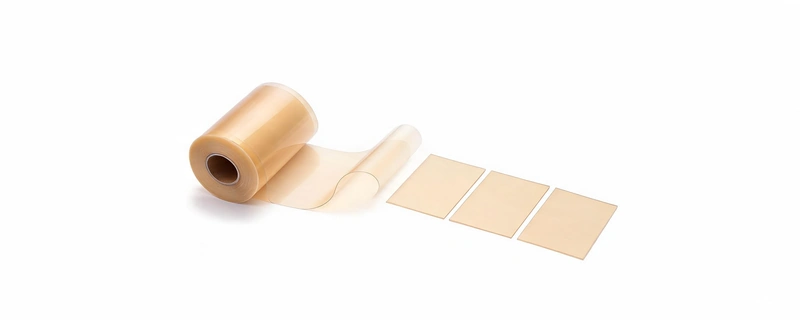
PPS Materials & Forms

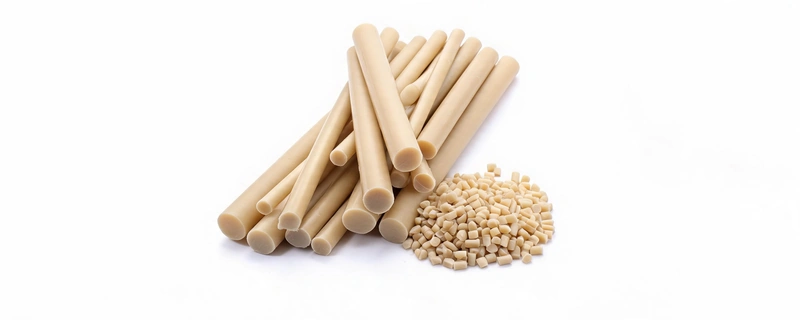
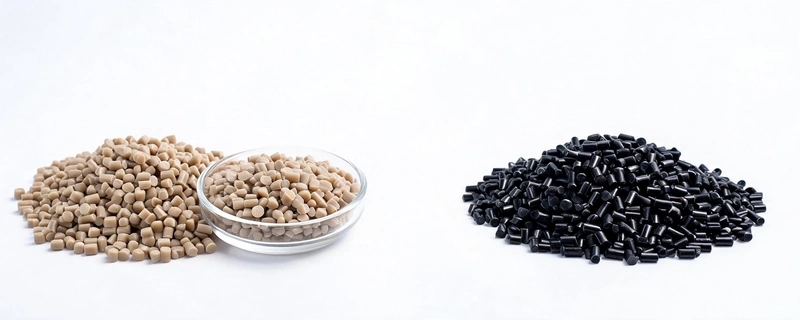
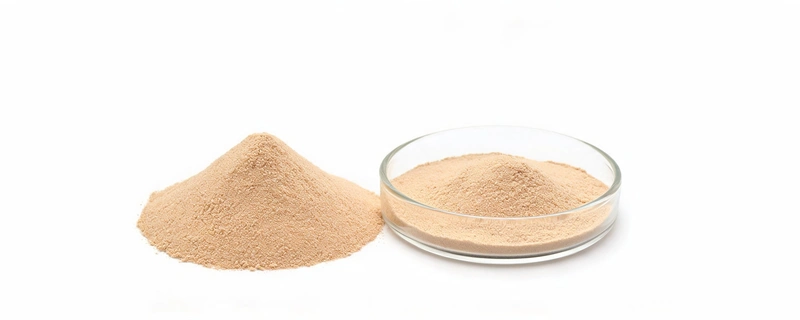
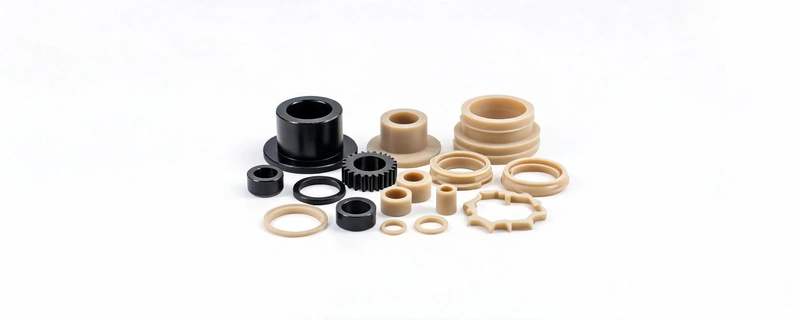
Polyphenylene Sulfide (PPS) is a semi-crystalline high-performance engineering thermoplastic known for its thermal stability, chemical resistance and dimensional performance. Teda Plastics offers PPS materials in sheets, rods, powder, granules, film and custom CNC machined components.

PPS Product Portfolio

Explore PPS Material Forms.

Choose the product form that matches your manufacturing process and application. Each category includes a dedicated technical guide.
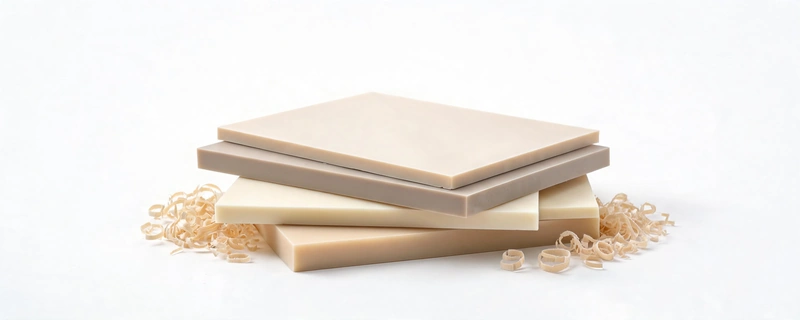
Material Overview

Why Engineers Specify PPS.

PPS offers a combination of properties that makes it suitable for selected demanding industrial applications.

Polyphenylene Sulfide is a semi-crystalline engineering thermoplastic. It is frequently considered where chemical resistance, thermal performance, electrical insulation and dimensional stability are important.

PPS is available in unfilled and modified formulations, including glass-fiber and other reinforced grades. Material properties vary according to formulation, manufacturing process and test conditions.

Thermal Performance

PPS is used in applications exposed to elevated temperatures. Actual continuous service capability depends on grade, load and operating environment.

Chemical Resistance

Offers resistance to many chemicals, making it a candidate for selected fluid-handling and industrial equipment applications.

Dimensional Stability

Its semi-crystalline structure and available reinforced grades can support dimensionally demanding component designs.

Electrical Insulation

Selected PPS grades provide useful electrical insulation properties for industrial and electrical components.

Mechanical Strength

Reinforced PPS formulations can provide increased stiffness and strength for selected structural applications.

Industrial Versatility

Available in multiple material forms for machining, molding, compounding and specialty applications.

Technical Data Note: PPS properties vary considerably between unfilled, glass-filled, carbon-filled and other modified grades. Service temperature, tensile strength, flexural modulus and electrical properties should always be confirmed against the technical datasheet for the specific grade.
Industrial Applications

Where Is PPS Used?

PPS is selected for components that require a balance of thermal, chemical, electrical and mechanical performance.

Electrical & Electronics

Insulating components, connectors, housings and selected electrical equipment parts.

Automotive Industry

Selected under-hood components, electrical parts and precision molded engineering components.

Chemical Processing

Selected pump, valve and fluid-handling components where the chemical environment is compatible with PPS.

Industrial Machinery

Custom machined parts, support components, fixtures and selected wear-related applications.

Material Selection

How to Choose the Right PPS Grade.

The correct PPS grade depends on the application, processing method and final component requirements.

Before selecting a PPS material, consider the following technical factors:

  • Operating Temperature: Check continuous and short-term temperature requirements under the actual mechanical and environmental conditions.
  • Mechanical Load: Determine whether unfilled or reinforced PPS is more appropriate for the required stiffness and strength.
  • Chemical Exposure: Confirm compatibility with the actual chemicals, concentrations and exposure temperatures.
  • Electrical Requirements: Review dielectric strength, resistivity and other relevant electrical properties for insulating applications.
  • Manufacturing Process: Choose the appropriate form for CNC machining, injection molding, compounding or film applications.
  • Dimensional Requirements: Consider geometry, reinforcement, machining allowance and inspection requirements.

If you are unsure which PPS grade is suitable, provide your application details and technical requirements. Material selection can be discussed before ordering.

Common Questions

PPS Materials FAQ.

What does PPS stand for?

PPS stands for Polyphenylene Sulfide, a semi-crystalline high-performance engineering thermoplastic.

What forms of PPS materials are available?

PPS is available in different forms depending on the grade and application, including sheets, rods, granules, powder, film and custom CNC machined components.

Is PPS suitable for high-temperature applications?

PPS is used in elevated-temperature environments. However, its actual service capability depends on the grade, mechanical load, exposure time and operating conditions. Consult the specific manufacturer's datasheet.

What is the difference between virgin PPS and glass-filled PPS?

Virgin PPS does not contain intentional glass-fiber reinforcement. Glass-filled PPS generally offers higher stiffness and different dimensional and mechanical characteristics, but can be more abrasive during machining.

Can PPS be CNC machined?

Yes. PPS sheets and rods can be machined into custom industrial components using suitable CNC milling, turning and drilling processes.

Can PPS be injection molded?

Yes. Suitable PPS granules can be injection molded. Processing conditions and mold design must be adjusted according to the specific grade and supplier's technical recommendations.

What industries use PPS?

PPS is used in selected automotive, electrical, electronics, chemical processing and industrial machinery applications.

How can I request a PPS quotation?

Contact Teda Plastics with the required material form, grade, dimensions, quantity and application details. For custom parts, provide a technical drawing or CAD file.

Looking for a Reliable PPS Material Supplier?

Tell us your required PPS form, material grade, dimensions and application. Teda Plastics can review your requirements and discuss suitable material options for your project.

Request a PPS Quote