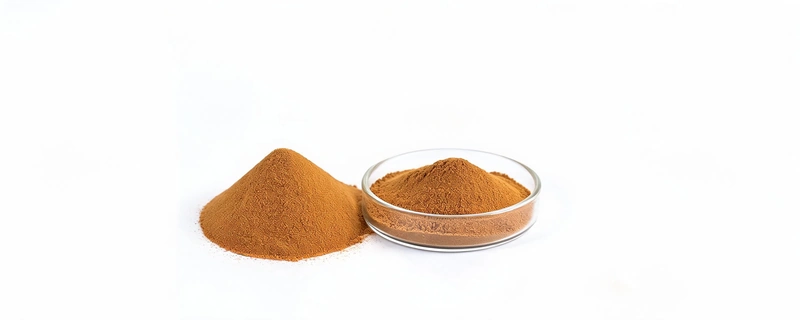
PAI powder is a specialized form of polyamide-imide resin, a high-performance polymer known for its combination of mechanical strength, thermal performance and dimensional stability. Depending on its chemistry, particle characteristics and formulation, PAI powder can be used in specialty coating systems, resin formulations and selected industrial applications.
1. What Is PAI Powder?
PAI stands for Polyamide-imide. It is an engineering polymer family that combines amide and imide structures in its molecular backbone. PAI materials are valued in demanding applications where conventional plastics may not provide sufficient mechanical or thermal performance.
PAI powder is produced in a powdered form for specific downstream processes. Depending on the manufacturing route, the powder may be designed for coating formulations, blending, compounding or other specialized applications.
It is important to distinguish PAI from PI. PAI means polyamide-imide, while PI means polyimide. Although both are high-performance polymer families, they are not interchangeable. Their processing requirements and application characteristics should be evaluated separately.
2. Main Characteristics of PAI Powder
Thermal Performance
PAI resin is selected for applications involving elevated temperatures and demanding operating conditions. Actual thermal capability depends on the resin grade, formulation, processing history and final application.
Mechanical Strength and Stiffness
PAI-based materials can provide high strength and stiffness. These characteristics make the polymer family attractive for engineered components and protective systems where mechanical performance is important.
Surface and Wear Performance
Certain PAI formulations are used in applications requiring durable surfaces and resistance to mechanical wear. The result depends on coating thickness, substrate preparation, curing conditions and the complete formulation.
Formulation Flexibility
Powder form allows PAI resin to be incorporated into selected coating or compounding systems. However, compatibility with solvents, binders, additives and processing equipment must be confirmed for each grade.
3. Typical Applications of PAI Powder
High-Performance Industrial Coatings
PAI resin is used in selected coating systems where thermal performance, surface durability and adhesion are important. Applications may include industrial equipment, metal components and parts exposed to demanding service conditions.
Electrical and Magnet Wire Systems
PAI chemistry is used in certain electrical insulation systems, including magnet wire enamel formulations. In these applications, the resin contributes to the performance of the insulation layer. The exact product must be designed for the relevant wire coating process and electrical requirements.
Specialty Resin Formulations
Depending on the grade and formulation, PAI powder may be used in specialty resin systems and industrial formulations that require a combination of thermal and mechanical performance.
Engineering Material Development
PAI powder may also be considered in selected research, compounding and material-development projects. Processing compatibility should be confirmed before production trials.
4. PAI Powder Grades and Formulations
PAI powder is not a single standardized product. Different grades may vary in resin chemistry, molecular characteristics, particle size distribution, residual volatile content and intended processing route.
When evaluating a PAI powder, consider the following factors:
- Resin type: Confirm the exact PAI chemistry and whether the material is designed for coatings, compounding or another application.
- Particle size: Particle size distribution can influence dispersion, flow, surface finish and processing behavior.
- Purity and consistency: Contamination and batch variation may affect the performance of the final formulation.
- Solubility or dispersion behavior: Check compatibility with the intended solvent, binder or processing system.
- Thermal processing requirements: Review the recommended drying, curing and processing conditions for the specific grade.
5. Why Particle Size Matters
Particle size is an important parameter when selecting PAI powder. It can influence how the material is dispersed, transported, mixed and incorporated into a final formulation.
In coating applications, particle size distribution may affect coating uniformity, surface quality and the behavior of the coating during application. In compounding, it may influence feeding, mixing and dispersion.
A finer powder is not automatically better. The ideal particle size depends on the formulation, equipment, target coating thickness and required final properties. Buyers should specify the application before selecting a particle size range.
6. Processing and Handling Considerations
Confirm the Processing Route
PAI powder should be matched to its intended manufacturing process. Some products are formulated for coating systems, while others may be designed for specialized compounding or other industrial processes.
Do not assume that a PAI powder can be processed using standard thermoplastic injection molding or extrusion equipment. The processing behavior of PAI depends on its specific chemistry and product design.
Control Moisture and Contamination
Powder handling should follow the supplier's storage and conditioning instructions. Keep packaging sealed when not in use and protect the material from moisture, foreign particles and cross-contamination.
Manage Dust Exposure
Fine polymer powders can become airborne during opening, weighing, transfer and mixing. Use suitable local exhaust ventilation, dust-control procedures and personal protective equipment based on the product safety data sheet.
Follow the Technical Data Sheet
Drying, mixing, curing and thermal treatment conditions should be taken from the technical documentation for the exact product. Applying generic processing temperatures to an unspecified PAI powder may lead to poor dispersion, defects or reduced final performance.
7. PAI Powder vs. PAI Sheet and Rod
PAI powder, sheet and rod are different product forms intended for different manufacturing routes. Selecting the right form helps avoid unnecessary processing costs and material waste.
- PAI powder: Used in suitable coating formulations, specialty resin systems and selected compounding applications.
- PAI sheet: Used as semi-finished stock for machining flat components, wear plates, insulation parts and precision components.
- PAI rod: Used as machining stock for bushings, bearings, rollers and other rotational or cylindrical components.
- PAI CNC machined parts: Used when a finished component must meet a specific drawing, geometry or assembly requirement.
If your project requires a solid structural component rather than a powder-based formulation, PAI sheet or rod may be a more appropriate starting material.
8. PAI Powder vs. PI Powder
PAI and PI are both high-performance polymer families, but their chemical structures and processing characteristics are different. They should be compared according to the actual application rather than treated as equivalent materials.
- PAI: Polyamide-imide, used in selected high-performance applications requiring a combination of thermal and mechanical properties.
- PI: Polyimide, a separate polymer family available in different forms and formulations for demanding thermal, electrical and mechanical applications.
The choice depends on the required temperature range, mechanical properties, electrical performance, chemical compatibility, processing route and total application cost. Always compare grade-specific technical data.
9. How to Select the Right PAI Powder
Before placing an order, buyers should define the application and the technical requirements. This makes it easier to identify a suitable grade and avoid testing unsuitable products.
- What is the intended application: coating, wire enamel, compounding or another process?
- What particle size range or particle size distribution is required?
- Does the process require a particular resin chemistry or formulation?
- What are the operating temperature and mechanical requirements?
- Are there specific solvent, binder or substrate compatibility requirements?
- What quantity and packaging format are required?
- Are technical data sheets or safety data sheets needed for evaluation?
Providing these details at the quotation stage helps reduce unnecessary sample testing and improves communication between the material supplier and the end user.
10. PAI Powder Supply from Teda Plastics
Teda Plastics Co., Ltd. supplies engineering plastic materials in different product forms for industrial buyers, distributors and manufacturing customers.
For PAI powder inquiries, we recommend sharing your intended application, required grade, particle size, quantity and processing method. These details help us review the product requirements and discuss suitable available options.
We also work with other high-performance engineering plastics, including PEEK, PI, PTFE, PPS, PEI and PPSU, in forms such as powder, granules, sheets, rods and CNC machined components.
Frequently Asked Questions About PAI Powder
1. What is PAI powder?
PAI powder is a powdered form of polyamide-imide resin. Depending on its formulation and particle characteristics, it may be used in specialty coatings, compounding and other industrial applications.
2. Is PAI powder the same as PI powder?
No. PAI means polyamide-imide, while PI means polyimide. They are different polymer families with different chemical structures, processing routes and application characteristics.
3. What is PAI powder used for?
Depending on the grade, PAI powder can be used in high-performance coating formulations, specialty resin systems, compounding and selected industrial applications.
4. Can PAI powder be used for injection molding?
Not every PAI powder is suitable for injection molding. The processing route depends on the specific resin chemistry, product grade and manufacturer recommendations. Confirm processing compatibility before purchasing.
5. Why is particle size important for PAI powder?
Particle size distribution can influence dispersion, surface finish, coating uniformity, flow behavior and processing efficiency. The required range depends on the intended application and equipment.
6. How should PAI powder be stored?
Store PAI powder in sealed, clearly labeled packaging under the temperature and humidity conditions specified by the supplier. Moisture exposure and contamination should be controlled.
7. What information is needed when requesting a PAI powder quotation?
Useful information includes the intended application, required grade or formulation, particle size range, quantity, processing method and any relevant technical or regulatory requirements.
8. Can Teda Plastics help with PAI powder selection?
Teda Plastics can discuss your application and help identify suitable PAI powder options based on available product information and your technical requirements. Contact us with your specification for further discussion.
Looking for PAI Powder?
Tell us your application, particle size requirements and estimated quantity. Contact Teda Plastics to discuss suitable PAI powder options for your project.
Request a Quote