PPSU Materials & Forms

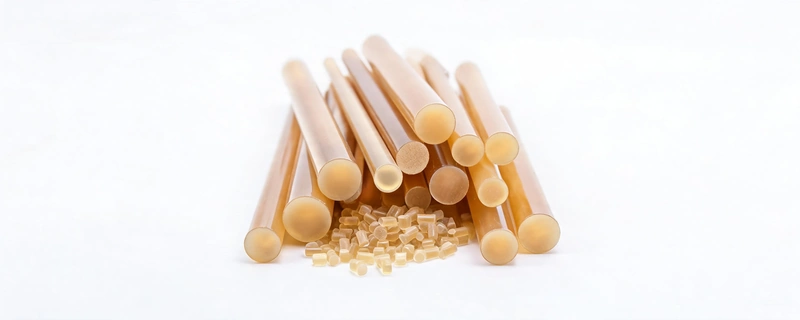
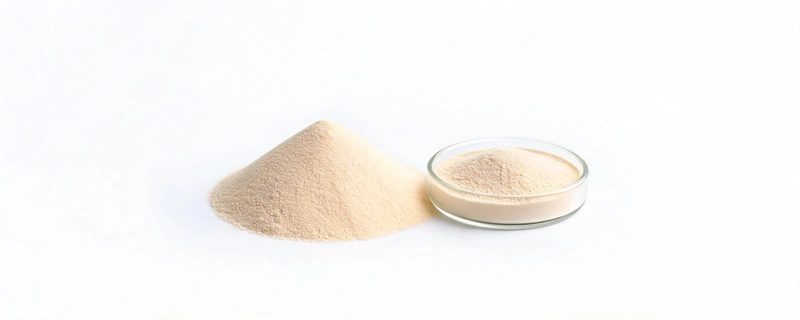
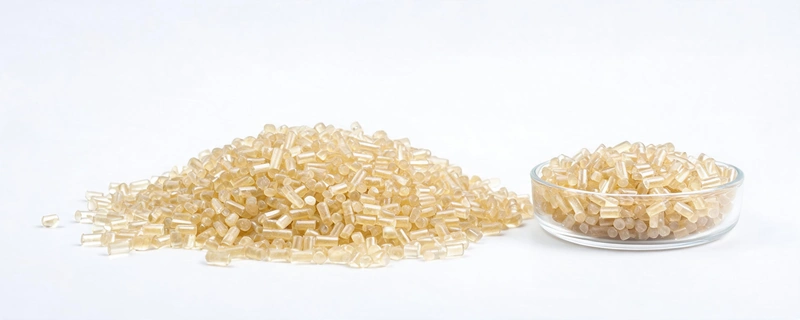
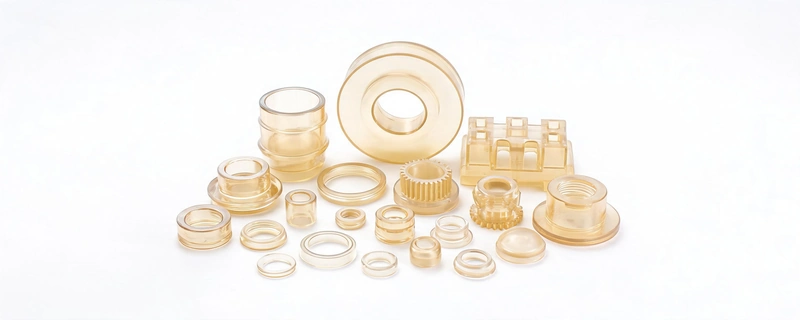
Polyphenylsulfone (PPSU) is a high-performance amorphous thermoplastic valued for its impact toughness, thermal performance and resistance to repeated hot-water and steam exposure under suitable conditions. Explore PPSU sheets, rods, powder, granules, films and custom machined components from Teda Plastics.

Material Overview

Understanding PPSU Engineering Plastic

PPSU stands for Polyphenylsulfone, a member of the sulfone family of high-performance engineering thermoplastics. Its combination of toughness, heat resistance and hydrolytic stability makes it a candidate for demanding applications where conventional plastics may not provide the required performance.

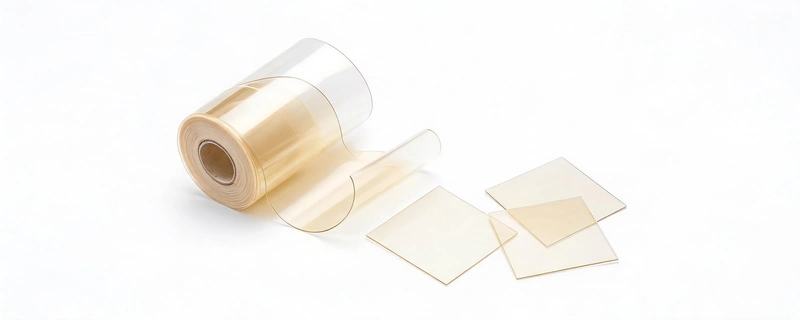
Natural PPSU is commonly translucent with an amber or champagne appearance. Its optical characteristics depend on the material grade, thickness, processing conditions and surface finish.

PPSU is used in selected medical, food-service, fluid-handling and industrial applications. The suitability of a particular grade must always be checked against the actual operating environment and applicable requirements.

Why Consider PPSU?

PPSU combines high impact toughness with useful thermal performance and resistance to repeated hot-water and steam exposure in appropriately selected grades. It can be considered for components that require durability, dimensional reliability and repeated cleaning or sterilization cycles.

Product Portfolio

PPSU Materials in Different Forms

Choose the material form that fits your processing method and application. Select a product below to explore its characteristics and technical considerations.

Material Characteristics

Why Engineers Specify PPSU

PPSU is selected for a combination of mechanical, thermal and chemical-performance characteristics. Actual values depend on grade, specimen preparation and test method.

Property Engineering Consideration
Polymer Type Amorphous high-performance thermoplastic
Glass Transition Temperature Typically around 220°C; verify the specific grade and test data
Impact Performance High toughness compared with many conventional engineering plastics
Thermal Performance Suitable for selected elevated-temperature applications; continuous-use limits depend on grade and loading
Hydrolytic Stability Good resistance to hot water and steam exposure under suitable conditions
Appearance Typically natural translucent amber or champagne
Electrical Properties Useful insulating characteristics; evaluate the grade and operating environment

Note: The information above is a general material overview, not a guaranteed specification for every PPSU grade. Please consult the relevant manufacturer's technical data sheet for design values, processing limits and compliance information.

Key Characteristics

Performance Features of PPSU

The following characteristics explain why PPSU is considered for demanding applications. Final performance depends on material grade, component design and service conditions.

01 / TOUGHNESS

High Impact Toughness

PPSU is known for its strong impact performance, making it useful for components exposed to handling, mechanical stress and repeated use.

02 / HEAT

Thermal Performance

PPSU retains useful mechanical properties at elevated temperatures within the limits of the selected grade and application.

03 / STEAM

Steam Resistance

Selected grades are used in applications involving repeated hot-water and steam exposure. Sterilization conditions must be validated.

04 / HYDROLYSIS

Hydrolytic Stability

PPSU offers useful resistance to hydrolysis compared with many general-purpose plastics, particularly in appropriately designed hot-water applications.

05 / APPEARANCE

Translucent Appearance

Natural PPSU commonly has an amber or champagne translucent appearance, allowing visual inspection in certain component designs.

06 / INSULATION

Electrical Insulation

PPSU can be considered for electrical and electronic components where its thermal, mechanical and electrical properties meet design requirements.

Industrial Applications

Where Is PPSU Used?

PPSU is used in selected applications that require a combination of toughness, thermal performance and resistance to hot-water or steam exposure.

Medical Equipment

Selected reusable medical equipment components and instrument parts where the exact grade and finished component have been validated for the intended use.

Food-Service Equipment

Components for food-service equipment and reusable products where the selected grade meets the applicable food-contact requirements.

Fluid Handling

Fluid connectors, manifolds, housings and other components requiring suitable resistance to hot water and demanding operating conditions.

Electrical & Electronics

Insulating components, housings and structural parts where thermal stability and electrical performance are important.

Industrial Equipment

Custom parts for machinery and equipment exposed to elevated temperatures, repeated cleaning or mechanical impact.

Specialty Components

Application-specific parts where PPSU's combination of toughness, thermal properties and processing options offers a suitable material solution.

Material Selection

PPSU vs. PSU vs. PEI

PPSU, PSU and PEI are all high-performance amorphous thermoplastics, but they are not interchangeable. Their molecular structures result in different balances of impact toughness, chemical resistance, thermal performance and application suitability.

Material Typical Selection Focus
PPSU Impact toughness, hot-water and steam exposure, demanding reusable components
PSU Thermal stability, dimensional performance and selected fluid-handling applications
PEI High stiffness, dimensional stability, electrical insulation and selected elevated-temperature applications

The best material depends on the actual operating temperature, mechanical loading, chemical exposure, sterilization method, regulatory requirements and total component cost. A material comparison should use data from the specific grades being considered rather than generic polymer-family values.

Material selection tip: If a component will undergo repeated steam sterilization, define the sterilization cycle, number of cycles, cleaning chemicals and mechanical loading before selecting a grade. Validate the finished component, not only the raw material.
Custom Manufacturing

PPSU CNC Machining and Custom Components

PPSU sheet and rod stock can be machined into custom components for prototypes, replacement parts and low-volume production. CNC machining is useful when a component requires complex geometry, close dimensional control or a design that is not economical to mold in small quantities.

Successful PPSU machining depends on more than the machine itself. Stock quality, material condition, part geometry, cutting tools, clamping and temperature control all influence the final result.

Important Machining Considerations

  • Tool selection: Use sharp cutting tools suitable for engineering plastics. Tool geometry and cutting conditions should be selected according to the material grade and operation.
  • Heat management: Avoid excessive localized heat and allow chips to clear from the cutting area. Coolant selection should be checked for compatibility with the material and finished part.
  • Clamping: Avoid excessive clamping force, especially on thin walls and delicate geometries, as deformation can affect dimensional accuracy.
  • Dimensional inspection: Allow machined components to reach a stable temperature before final measurement where tight tolerances are important.
  • Part design: Avoid unnecessary sharp internal corners and abrupt section changes. Appropriate radii can help reduce stress concentration.

For repeat high-volume production, injection molding may become more economical after tooling costs are considered. CNC machining is often worth evaluating for prototypes, custom designs and smaller production batches.

For a machining quotation: Provide a 2D drawing or 3D model, required material grade, quantity, critical dimensions, tolerance requirements and intended operating environment. This helps determine whether the proposed material and machining route are suitable.
Frequently Asked Questions

PPSU Materials FAQ

Common questions about PPSU properties, material forms, processing and application requirements.

1. What is PPSU plastic?

PPSU stands for Polyphenylsulfone. It is an amorphous high-performance thermoplastic known for its impact toughness, thermal performance and resistance to repeated hot-water and steam exposure under suitable conditions.

2. Is PPSU suitable for repeated sterilization?

Selected PPSU grades are used in applications involving repeated steam sterilization. However, suitability depends on the exact grade, sterilization cycle, exposure conditions, part design and validation testing. The finished component should be evaluated under its actual service conditions.

3. What colors and appearance are available for PPSU?

Natural PPSU is commonly translucent with an amber or champagne appearance. Color and optical quality can vary with grade, thickness, processing conditions and surface finish. It should not automatically be treated as optically clear.

4. Can PPSU be CNC machined?

Yes. PPSU sheet and rod stock can be machined into custom components. Tool selection, cutting conditions, clamping, heat management and inspection should be adapted to the part geometry and material grade.

5. Is PPSU suitable for food-contact applications?

Some PPSU grades may be suitable for specified food-contact applications. Compliance must be confirmed for the exact grade, jurisdiction, food type, temperature and intended conditions of use. A generic PPSU description is not sufficient proof of compliance.

6. What is the difference between PPSU and PSU?

PPSU and PSU are both sulfone-based engineering thermoplastics, but they have different polymer structures and performance profiles. PPSU is generally selected where higher impact toughness and resistance to repeated hot-water or steam exposure are important.

7. Is PPSU transparent?

Natural PPSU is generally translucent and can provide useful visual visibility. It should not automatically be described as optically clear because transparency depends on grade, thickness, processing and surface finish.

8. Can Teda Plastics supply custom PPSU parts?

Teda Plastics can review requirements for PPSU sheets, rods and custom machined components. Buyers can provide drawings, dimensions, grade requirements and application details for technical review and quotation.

Looking for PPSU Material or Custom Parts?

Send us your specifications, drawings or application requirements for a material and quotation review.

Request a Quote →