Polysulfone (PSU) is an amorphous high-performance engineering thermoplastic known for its stiffness, dimensional stability and transparency in suitable grades. Explore PSU sheet, rod, powder, granules, film and custom CNC machined components for industrial, electrical and fluid-handling applications.
Select the product form that matches your application. Explore material details, processing considerations and product-specific guides, or contact us with your technical requirements.
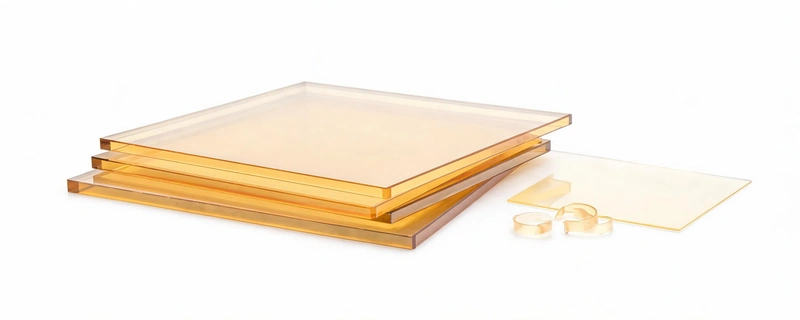
Polysulfone sheet stock for machined components, electrical insulation and selected fluid-handling applications.
Read Guide →
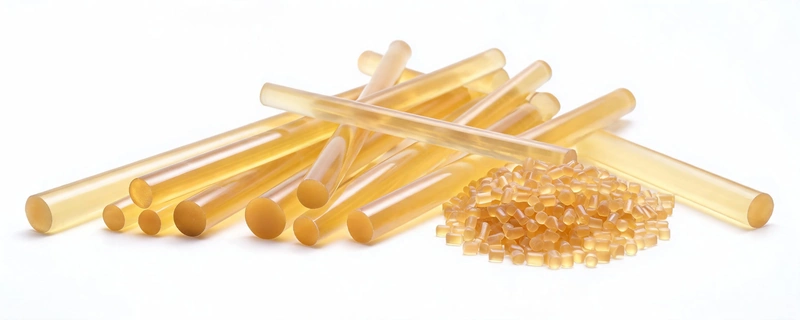
Round rod stock for custom turned components, bushings, fittings and precision-machined parts.
Read Guide →
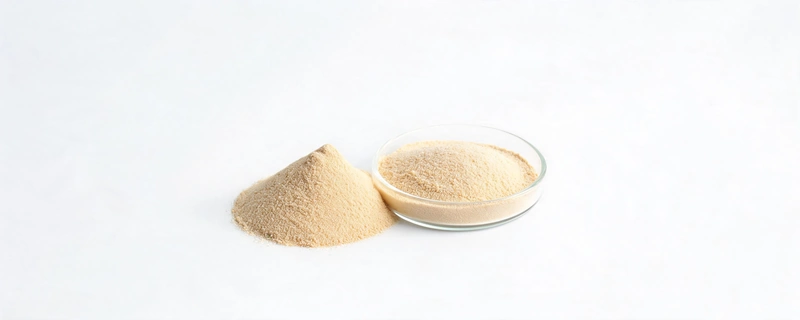
Powder-form polysulfone for application-specific compounding, coating or specialty processing where the grade is suitable.
Read Guide →
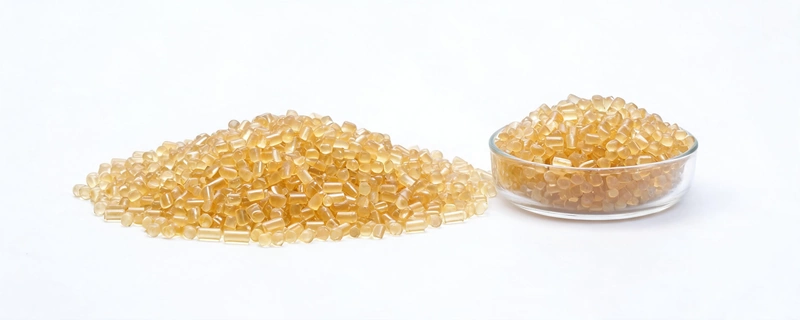
Polysulfone resin pellets for suitable injection molding and extrusion applications.
Read Guide →
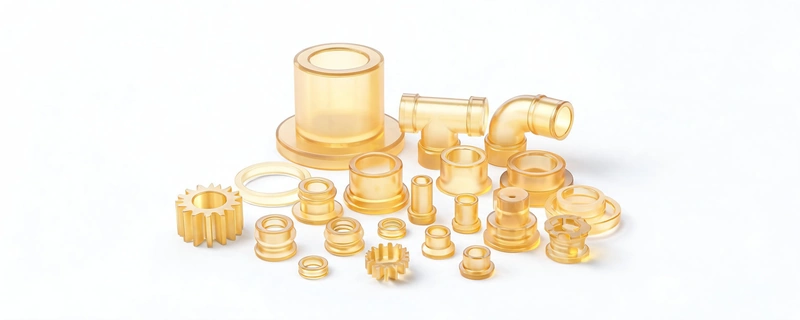
Custom machined PSU components manufactured according to drawings and application requirements.
Read Guide →
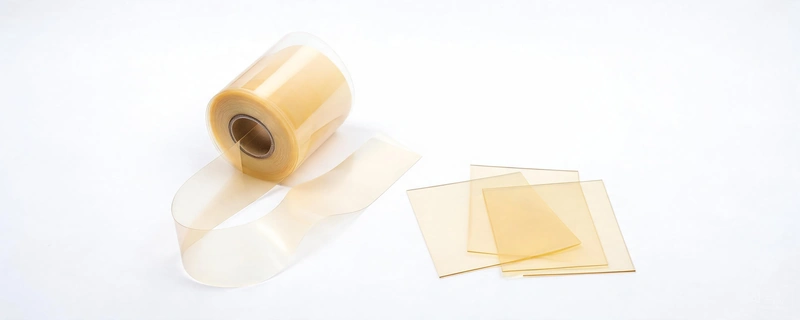
Specialty polysulfone film for selected electrical, industrial and application-specific uses.
Read Guide →PSU is an amorphous thermoplastic in the sulfone polymer family. Its combination of thermal characteristics, stiffness and transparency makes it useful for selected demanding applications.
PSU has a typical glass transition temperature of approximately 185°C. Actual service limits depend on the grade, mechanical load and operating environment.
Many unfilled PSU grades have a natural transparent amber appearance. Optical properties vary with thickness, formulation and processing.
PSU offers useful stiffness and dimensional stability in suitable applications. Component performance depends on design and operating conditions.
PSU is used in selected hot-water and fluid-handling applications. Chemical and hydrolysis resistance must be checked for the actual service conditions.
PSU can provide electrical insulating performance for suitable components. Verify dielectric properties using the relevant grade data.
PSU sheet and rod stock can be machined into custom parts. Tooling, clamping and heat management influence the final result.
| Property | General Reference |
|---|---|
| Material Name | Polysulfone (PSU) |
| Polymer Structure | Amorphous Thermoplastic |
| Glass Transition Temperature (Tg) | Approximately 185°C |
| Appearance | Transparent to translucent amber in many unfilled grades |
| Density | Typically around 1.24 g/cm³; grade-dependent |
| Tensile Strength | Refer to the specific grade's technical data sheet |
| Continuous Service Temperature | Depends on grade, load and operating environment |
Note: Values shown are general material references, not guaranteed specifications for every PSU grade or finished product. Always consult the manufacturer's technical data sheet (TDS) for exact mechanical, thermal, electrical and chemical properties.
PSU is selected for applications where its combination of thermal, mechanical, electrical and transparency characteristics matches the requirements of the finished component.
PSU, PES and PPSU belong to the sulfone polymer family. They share some characteristics but have different performance profiles.
| Material | Typical Tg | General Characteristics | Selection Focus |
|---|---|---|---|
| PSU | Approx. 185°C | Transparency, stiffness and dimensional stability | Transparent components and selected fluid-handling uses |
| PES | Approx. 225°C | Higher Tg and good thermal performance | Applications requiring higher thermal capability |
| PPSU | Approx. 220°C | Toughness and impact resistance | Applications requiring repeated-use durability and impact performance |
These are typical polymer-family reference values. Actual properties, grades and application limits should be verified through the relevant manufacturer's technical data.
Common questions about PSU materials, product forms and application selection.
PSU stands for Polysulfone, an amorphous high-performance thermoplastic. It is known for its stiffness, dimensional stability, transparency in suitable grades and thermal performance.
The typical glass transition temperature of standard polysulfone is approximately 185°C. Actual properties and service limits depend on the specific grade and operating conditions.
Many unfilled PSU grades are naturally transparent with an amber or brownish tint. Transparency and optical clarity vary with grade, thickness, additives and processing.
Selected PSU grades are used in healthcare-related applications. Medical suitability depends on the exact grade, supplier documentation, regulatory requirements, sterilization conditions and validation of the finished component.
The PSU product range presented by Teda Plastics includes sheet, rod, powder, granules, film and custom CNC machined components. Availability, dimensions and grade options should be confirmed for each project.
PSU, PES and PPSU are related sulfone-family thermoplastics, but they have different property profiles. PSU is known for transparency and dimensional stability, PES for its higher typical glass transition temperature, and PPSU for its toughness and impact resistance. Actual performance depends on grade.
Yes. Suitable PSU sheet and rod stock can be CNC machined into custom components. Tool selection, clamping, heat management and machining strategy should be adapted to the part geometry and material grade.
Provide the required product form, material grade if specified, dimensions, quantity, application and any technical or regulatory requirements. For machined parts, include a 2D drawing or 3D CAD file.
Tell us which PSU form you need, your dimensions, quantity and application requirements. Teda Plastics can help review your engineering plastic material inquiry.
Request a Quote