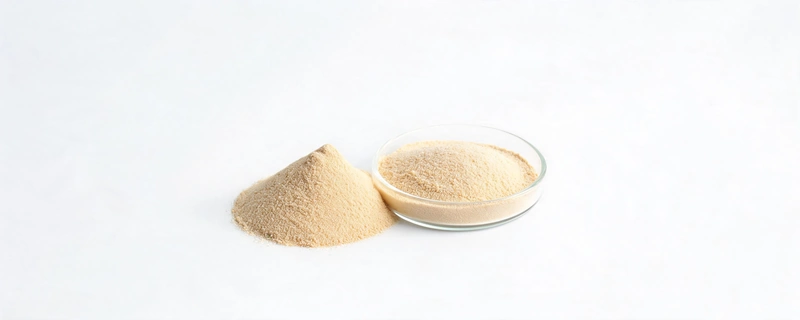
PSU (Polysulfone) powder is a powdered form of high-performance amorphous thermoplastic resin. Depending on its particle size, molecular characteristics and formulation, it may be used in selected coating systems, polymer blends, compounding processes and other specialized industrial applications.
1. What Is PSU Powder?
PSU powder is produced by processing polysulfone resin into a powdered form. The material belongs to the sulfone family of high-performance engineering thermoplastics and is known for its thermal performance, toughness and dimensional stability in suitable applications.
Unlike PSU sheet and rod, which are supplied as solid stock shapes, powder is intended for processes that require controlled particle characteristics. Depending on the production route, it may be supplied with different particle sizes and distributions.
It is important to distinguish between general-purpose PSU resin powder and specially engineered powder grades. Not every PSU powder is suitable for electrostatic spraying, fluidized-bed coating, filtration media or polymer compounding. The intended process must be matched to the product specification.
2. Key Characteristics of PSU Powder
Particle Size and Distribution
Particle size influences powder flow, dispersion, deposition and processing behavior. A narrow particle-size distribution may be important for some specialized processes, while other applications may accept a broader range. Confirm the actual particle-size data rather than relying on a general product description.
Thermal Performance
PSU is an amorphous polymer with a typical glass transition temperature of approximately 185°C for many standard grades. This thermal characteristic is relevant when considering powder processing, but it does not define the required coating or compounding temperature. Processing windows depend on the formulation, equipment, substrate and desired finished properties.
Resin Compatibility
For blending and compounding, PSU powder must be evaluated for compatibility with the other polymers, fillers and additives in the formulation. Dispersion, melt behavior and final performance depend on the complete material system.
Appearance and Color
Natural PSU resin commonly has an amber tone. The appearance of powder can vary with particle size, manufacturing process and formulation. Color alone is not a reliable indication of grade or performance.
3. Potential Industrial Applications of PSU Powder
Specialized Coating Formulations
Selected PSU powder grades may be evaluated for specialized coating systems where thermal performance and the properties of polysulfone are relevant. The powder must be designed for the coating process, and the final coating properties depend on substrate preparation, application method, processing conditions and film formation.
Polymer Blending and Compounding
PSU powder may be considered as a feedstock for selected polymer blending or compounding applications. Its role depends on the target formulation, processing equipment, dispersion requirements and compatibility with the other components.
Filtration-Related Applications
Polysulfone is used in certain membrane and filtration technologies. However, membrane production normally requires specifically designed resin grades and controlled manufacturing processes. General-purpose PSU powder should not automatically be treated as suitable for membrane fabrication or filter coating.
Research and Specialized Manufacturing
PSU powder can also be evaluated in research, formulation development and specialized industrial processes. In these cases, particle characteristics, resin properties and processing behavior should be confirmed through sample testing.
4. Choosing the Right PSU Powder Grade
The correct PSU powder depends on the intended process. Before selecting a product, review the following factors:
- Application: Identify whether the powder is intended for coating, compounding, blending or another process.
- Particle size: Specify the target particle size and acceptable distribution range.
- Resin characteristics: Confirm the grade, molecular characteristics and relevant technical data.
- Processing temperature: Check the processing window recommended for the selected grade and equipment.
- Finished performance: Define the required thermal, mechanical, chemical or surface properties.
- Documentation: Request the technical data sheet and safety data sheet before production use.
For a new process, laboratory trials or sample evaluation are recommended before purchasing production quantities.
5. When PSU Powder May Not Be Suitable
PSU powder is not a universal coating or compounding material. Consider the following limitations:
- Low-temperature processes: PSU requires processing conditions appropriate to its thermal characteristics. It may not be suitable for systems that cannot reach the required processing window.
- Standard powder coating equipment: General PSU powder is not automatically compatible with conventional electrostatic spraying or fluidized-bed systems.
- Specific membrane production: Membrane applications require carefully selected resin grades and dedicated processing methods.
- Unverified polymer blends: Compatibility and dispersion should be tested before using PSU powder in a new formulation.
If the project requires a conventional low-temperature coating system, a coating powder specifically formulated for that process may be a more practical choice.
6. Processing and Handling Considerations
Confirm Process Compatibility
Before production, check whether the powder grade is intended for the selected equipment and process. Review the recommended processing temperature, particle-size distribution and any special handling requirements.
Control Moisture and Storage Conditions
Keep PSU powder in its original sealed packaging or an appropriately sealed container. Store it in a clean, dry environment and follow the supplier's instructions. If moisture control or drying is required, use the procedure specified for the exact grade.
Minimize Dust Generation
Fine polymer powder can become airborne during transfer, weighing and mixing. Use appropriate ventilation, dust-control measures and personal protective equipment. Avoid unnecessary dust clouds and follow the product safety data sheet.
Evaluate Samples Before Scale-Up
Small-scale trials can help identify flow, dispersion, deposition or processing issues before production. Record process conditions and evaluate the finished material against the project's requirements.
7. PSU Powder vs. PSU Granules
PSU powder and PSU granules are different feedstock forms. Their suitability depends on the equipment and manufacturing process.
- PSU powder: May be used in selected coating formulations, blending, compounding or specialized processes when particle characteristics are suitable.
- PSU granules: Commonly used as feedstock for melt-processing methods such as injection molding or extrusion when the resin grade is formulated for that process.
Do not assume powder and granules are interchangeable. Particle form, feeding behavior, processing equipment and resin specifications must all be considered.
8. PSU Powder Supply from Teda Plastics
Teda Plastics supplies engineering plastic materials in different forms for industrial buyers, distributors and material processors. PSU powder inquiries can be evaluated according to the intended application, required particle characteristics and processing method.
When requesting a quotation, please provide your target application, processing equipment, particle-size requirements, estimated quantity and any relevant technical specifications. This information helps determine whether a suitable PSU powder grade can be offered.
Frequently Asked Questions About PSU Powder
1. What is PSU powder?
PSU powder is a powdered form of polysulfone polymer. Depending on its particle size, molecular characteristics and formulation, it may be used in selected coating, blending, compounding or other industrial processes.
2. What is PSU powder used for?
Potential uses include specialized coating formulations, polymer blends, compounding and selected filtration-related processes. Suitability depends on the powder grade, particle size, processing method and end-use requirements.
3. Can PSU powder be used for electrostatic spraying?
Only powder grades specifically developed for the intended coating process should be considered. Particle size distribution, flow properties, charging behavior, thermal processing window and substrate preparation all affect coating performance.
4. Can PSU powder be used in fluidized-bed coating?
Some suitably engineered PSU powder formulations may be considered for fluidized-bed processes. Standard resin powder is not automatically suitable. Confirm particle characteristics, processing temperature, substrate requirements and the equipment supplier's recommendations.
5. What particle size is available for PSU powder?
Particle size depends on the manufacturing and grinding process. Available sizes and particle-size distributions should be confirmed for the specific product. Buyers should provide their intended process and target particle size when requesting a quotation.
6. Can PSU powder be used for polymer compounding?
Selected PSU powder grades may be evaluated for polymer blending or compounding. Compatibility, dispersion, thermal stability and processing behavior depend on the polymers and processing conditions involved.
7. How should PSU powder be stored and handled?
Store PSU powder in sealed packaging in a clean, dry environment and follow the supplier's storage instructions. Minimize dust generation, use appropriate ventilation and personal protective equipment, and consult the product safety documentation.
8. What information should I provide when ordering PSU powder?
Provide the intended application, processing method, target particle size, required quantity and any relevant thermal or performance requirements. This helps determine whether the available powder grade is appropriate for your process.
Looking for PSU Powder?
Contact Teda Plastics with your application, particle-size requirements and estimated quantity. We can review your requirements and discuss suitable material options.
Request a PSU Powder Quote