PPSU powder is a particulate form of polyphenylsulfone, a high-performance amorphous thermoplastic known for its toughness, heat resistance and resistance to hot water and steam. Depending on its particle characteristics and grade, PPSU powder may be considered for selected specialty processing applications.
Unlike standard PPSU granules used in melt processing, powder materials require closer attention to particle-size distribution, flow behavior, bulk density and the processing equipment. The appropriate specification depends on the intended application.
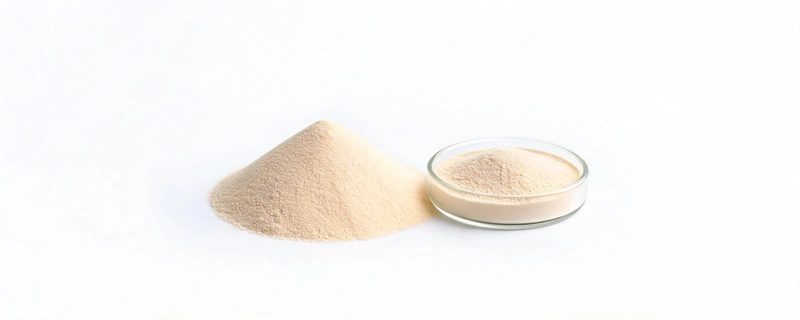
1. What Is PPSU Powder?
PPSU stands for Polyphenylsulfone. It is an amorphous high-performance thermoplastic in the sulfone polymer family. PPSU is known for its combination of impact strength, thermal performance and hydrolysis resistance.
PPSU powder is produced by converting suitable PPSU material into particles through a powder-processing method such as grinding or milling. The exact manufacturing route depends on the required particle size, shape, distribution and intended use.
It is important to distinguish PPSU powder from PPSU granules. Granules are generally supplied for conventional thermoplastic processing, while powder may be intended for specific coating, compounding or other specialty processes.
2. Important Characteristics of PPSU Powder
The performance of PPSU powder depends not only on the polymer itself but also on the physical characteristics of the particles. Buyers should evaluate the powder specification alongside the requirements of the processing system.
| Parameter | Why It Matters | What to Confirm |
|---|---|---|
| Particle size | Affects processing behavior and surface characteristics. | Particle-size distribution and test method. |
| Particle shape | Influences flow, packing and dispersion. | Powder morphology and application requirements. |
| Bulk density | Relevant to storage, feeding and dosing. | Measured bulk density and test conditions. |
| Moisture content | May influence processing and final material quality. | Supplier limits and drying recommendations. |
| Thermal properties | Determine the processing temperature window. | Grade-specific thermal data and process limits. |
| Purity and consistency | Important for repeatable production. | Grade identification and quality documentation. |
3. Potential Applications of PPSU Powder
Specialty Industrial Coatings
Certain PPSU powder grades may be evaluated for specialty coating formulations where toughness and elevated-temperature performance are important. The suitability of PPSU depends on the coating technology, substrate, particle characteristics and thermal processing conditions.
Coating development may require careful control of powder feeding, particle distribution, surface preparation and the heating process. PPSU powder should not be assumed to work in every conventional powder-coating system.
Polymer Compounding
PPSU powder may be investigated as a component in selected polymer formulations. Its compatibility with the base resin, dispersion, melt-processing behavior and influence on final mechanical properties need to be established through formulation trials.
Specialty Additive Manufacturing
High-performance polymer powders are used in some powder-bed additive manufacturing technologies. However, not every PPSU powder is suitable for Selective Laser Sintering (SLS) or other 3D printing processes.
A powder intended for additive manufacturing needs to be developed and qualified for the specific equipment and process. Particle distribution, flowability, thermal behavior and powder reuse requirements all need to be considered.
Research and Development
PPSU powder can also be relevant to material development and laboratory evaluation where a particulate form of the polymer is required. The correct grade and particle specification should be selected according to the research objective.
4. When PPSU Powder May Not Be the Right Choice
PPSU powder is a specialty material form, not a universal replacement for pellets, sheets or other engineering plastic products. Consider the following points before selecting it:
- Conventional injection molding: If the process requires standard thermoplastic feeding, PPSU granules are generally the more appropriate starting form.
- Ordinary low-temperature coatings: PPSU requires a compatible processing route and suitable thermal conditions. Conventional coating systems may not be appropriate.
- Unqualified 3D printing: General-purpose PPSU powder should not be assumed to work in SLS equipment without process-specific qualification.
- Applications with no powder-handling capability: Fine powders require suitable dust control, feeding and storage procedures.
5. PPSU Powder vs. PPSU Granules
PPSU powder and PPSU granules are different material forms. The selection should be based on the production process rather than appearance alone.
| Comparison | PPSU Powder | PPSU Granules |
|---|---|---|
| Physical form | Fine or coarse particles | Pellets or granules |
| Typical use | Selected specialty processes | Conventional thermoplastic processing |
| Key specification | Particle size and distribution | Pellet dimensions and grade |
| Handling | Requires attention to dust and powder flow | Usually easier to feed and handle |
| Process selection | Depends on powder-specific equipment | Depends on the grade and melt-processing equipment |
6. Processing and Handling Considerations
Confirm the Processing Method First
Before purchasing PPSU powder, identify whether it will be used for coating, compounding, additive manufacturing or another process. Each route has different requirements for particle size, flow and thermal behavior.
Check Particle-Size Distribution
The average particle size alone may not provide enough information. Ask for the particle-size distribution and the measurement method. Oversized particles and excessive fines can affect feeding, dispersion and process consistency.
Control Processing Temperature
PPSU is a high-temperature thermoplastic. The processing temperature window must be established for the exact grade and process. Excessive temperature or long residence time may cause material degradation.
Prevent Contamination
Keep powder in clean, sealed packaging and use suitable equipment for transfer and feeding. Contamination from other polymers, pigments, metals or foreign particles can affect the final product.
Use Appropriate Dust Control
Fine polymer powder can become airborne during handling. Use appropriate local exhaust ventilation, dust-control procedures and personal protective equipment according to the supplier's safety data sheet and workplace risk assessment.
7. What to Confirm Before Ordering PPSU Powder
A clear material specification helps avoid mismatches between the powder and the customer's production process. Before requesting a quotation, prepare the following information:
- Application: Coating, compounding, additive manufacturing or another use.
- Particle size: Required average size or particle-size distribution.
- Material grade: Required PPSU grade or technical specification.
- Quantity: Sample quantity, trial quantity or regular production demand.
- Processing method: Equipment type and processing conditions, where available.
- Quality requirements: Moisture, purity, bulk density and other relevant parameters.
- Documentation: Technical Data Sheet (TDS) and Safety Data Sheet (SDS), where required.
8. PPSU Powder Supply from Teda Plastics
Teda Plastics focuses on engineering plastic materials in different forms, including powders, granules, sheets, rods, films and CNC-machined components.
For PPSU powder enquiries, please provide your intended application, particle-size requirements, quantity and processing method. These details help us review the material specification and discuss suitable supply options.
If your project requires conventional melt processing, you may also consider our PPSU granules. For machined components, see our PPSU CNC machining page.
Frequently Asked Questions About PPSU Powder
1. What is PPSU powder?
PPSU powder is a particulate form of polyphenylsulfone supplied for selected specialty processing applications. Its characteristics depend on the production method and grade.
2. How is PPSU powder produced?
PPSU powder may be produced through grinding, milling or other powder-processing methods. The production route depends on the intended application and required particle characteristics.
3. Can PPSU powder be used for industrial coatings?
Certain PPSU powder grades may be developed for specialty coating applications. Suitability depends on particle size, coating formulation, substrate preparation and the available application and curing process.
4. Is PPSU powder suitable for SLS 3D printing?
Not every PPSU powder is suitable for SLS. Additive manufacturing requires a powder specifically developed and qualified for the selected printer and process.
5. Can PPSU powder be used in polymer compounding?
PPSU powder may be evaluated for selected compounding formulations, but compatibility, dispersion, processing temperature and final performance must be tested for the specific polymer system.
6. What particle size is available for PPSU powder?
Particle size depends on the grade and production process. Buyers should confirm the particle-size distribution and test method required for their application.
7. How should PPSU powder be stored and handled?
Store PPSU powder in sealed packaging in a clean, dry environment. Avoid creating airborne dust and follow the supplier's safety data sheet and workplace handling procedures.
8. What information is needed to request a PPSU powder quotation?
Provide the intended application, required particle-size distribution, quantity, grade or specification, processing method and destination. Any relevant technical requirements should also be shared.
Looking for PPSU Powder?
Share your application, particle-size requirements and target quantity. Teda Plastics can discuss your PPSU material enquiry and suitable product specifications.
Contact Teda Plastics