PPSU granules are pelletized polyphenylsulfone resin designed for thermoplastic processing. PPSU is an amorphous high-performance polymer known for its toughness, impact resistance, heat performance and resistance to hot water and steam.
Suitable PPSU grades can be processed by injection molding to manufacture complex components for reusable equipment, fluid handling systems, electrical applications and selected industrial markets. The exact performance and processing window depend on the resin grade and the design of the finished component.
1. What Are PPSU Granules?
PPSU stands for Polyphenylsulfone. It belongs to the sulfone family of engineering thermoplastics. Compared with many standard plastics, PPSU offers a combination of toughness, elevated-temperature performance and hydrolysis resistance.
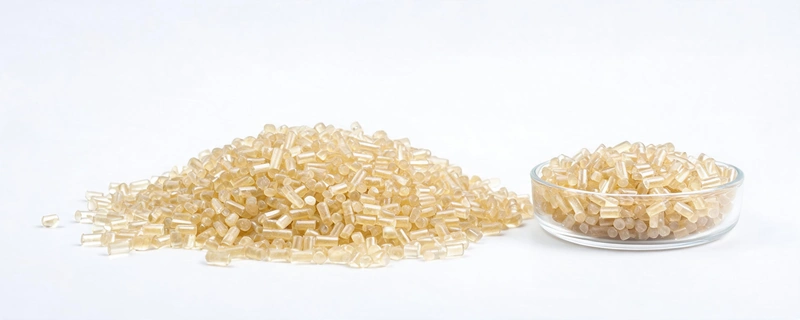
PPSU granules are small pellet-shaped resin particles supplied for melt processing. They are commonly used in injection molding, while other processing methods may be possible depending on the specific grade.
Natural PPSU resin is typically translucent amber or champagne-colored. Colored and modified grades may also be available, depending on the resin manufacturer and product specification.
2. Key Properties of PPSU Injection Molding Resin
PPSU is selected for applications where mechanical toughness and performance in hot, wet environments are important. The following table summarizes general material characteristics rather than guaranteed values for every commercial grade.
| Property | General Characteristics | Engineering Relevance |
|---|---|---|
| Polymer structure | Amorphous thermoplastic | Influences molding behavior and dimensional characteristics. |
| Appearance | Usually translucent amber | Can support visual inspection in suitable component designs. |
| Impact resistance | High toughness | Useful for components exposed to handling and mechanical impact. |
| Heat performance | Suitable for demanding elevated-temperature applications | Actual limits depend on grade, load and service conditions. |
| Hydrolysis resistance | Good resistance to hot water and steam | Relevant to selected reusable equipment and sterilization applications. |
| Electrical properties | Good insulating characteristics | Useful for selected electrical and electronic components. |
| Chemical resistance | Resistance to many chemicals | Must be evaluated against the actual chemical environment. |
3. Typical Applications of PPSU Granules
Reusable Medical and Healthcare Equipment
Selected PPSU grades may be considered for reusable equipment components, sterilization trays, instrument housings and other parts exposed to repeated cleaning or steam sterilization. Medical suitability depends on the grade, regulatory documentation and validation of the finished product.
Dental and Surgical Equipment
PPSU can be evaluated for molded handles, holders and equipment housings where toughness and resistance to hot water are important. The final component must be assessed under its actual cleaning, sterilization and mechanical conditions.
Fluid Handling Components
PPSU may be used in selected connectors, valves, housings and fluid system components. Its combination of toughness and hydrolysis resistance can be useful in demanding hot-water applications.
Aircraft Interior Components
Selected high-performance thermoplastic grades are used in aircraft interior applications. For PPSU, any aerospace use must be supported by the specific grade's fire, smoke and toxicity data, applicable approvals and customer qualification requirements.
Electrical and Industrial Components
PPSU granules may also be used to mold selected insulating parts, housings and industrial components that require a combination of mechanical toughness and elevated-temperature performance.
4. PPSU Injection Molding: Processing Considerations
PPSU is a high-temperature engineering thermoplastic. Injection molding requires equipment capable of handling the processing temperature and maintaining stable melt conditions.
Material Drying
PPSU resin should be dried before molding according to the manufacturer's recommendations. Drying conditions depend on the grade, initial moisture content, packaging condition and dryer performance.
Use a suitable dehumidifying dryer where specified, and verify moisture levels when required by the processing procedure. Do not apply a universal drying temperature or duration without checking the grade-specific processing guide.
Melt and Mold Temperature
PPSU requires high processing temperatures compared with conventional engineering plastics. Melt temperature, mold temperature, injection speed and holding pressure should be established from the resin supplier's technical recommendations and adjusted through molding trials.
Residence Time and Thermal Stability
Excessive residence time or overheating can cause thermal degradation. Keep the barrel temperature profile and residence time within the recommended processing window.
Mold Design and Venting
Appropriate gate design, venting, runner layout and cooling conditions help achieve consistent filling and part quality. Complex components may require mold-flow analysis and process optimization.
Dimensional Control
Shrinkage and dimensional stability depend on the grade, mold design, wall thickness, gate position and processing conditions. Critical dimensions should be verified through trial molding and inspection of production samples.
5. When PPSU Granules May Not Be the Best Choice
PPSU offers strong performance in demanding applications, but its higher material and processing costs may not be justified for every component.
- Cost-sensitive general-purpose parts: PC, PSU or other engineering plastics may be considered when the application does not require PPSU's particular combination of properties.
- Highly aggressive chemical environments: Compare PPSU with PEEK, PTFE or other polymers using application-specific chemical compatibility data.
- Low-temperature, low-performance applications: Conventional plastics may offer a more economical solution.
- Applications without high-temperature processing equipment: PPSU requires suitable molding equipment and process control.
6. PPSU vs. PSU vs. PEI
PPSU, PSU and PEI are all high-performance amorphous thermoplastics, but their properties and application strengths are different. The correct choice depends on the operating environment and grade-specific data.
| Material | General Strength | Common Selection Consideration |
|---|---|---|
| PPSU | Toughness and hydrolysis resistance | Selected reusable equipment and hot-water applications. |
| PSU | Dimensional stability and hot-water performance | Selected fluid handling and electrical components. |
| PEI | Stiffness and elevated-temperature performance | Selected electrical, industrial and structural components. |
7. What to Check Before Ordering PPSU Granules
A clear resin specification helps ensure that the material matches the customer's molding process and finished-part requirements. Before requesting a quotation, consider the following details:
- Grade: Specify the required resin grade or manufacturer's reference.
- Color: Confirm natural amber or a specific colored grade.
- Quantity: Provide trial, production or estimated annual demand.
- Processing method: Confirm injection molding or another intended process.
- Application: Describe the component's operating environment.
- Performance requirements: Identify mechanical, thermal, chemical and sterilization requirements.
- Documentation: Specify any required TDS, SDS, regulatory or application-related documents.
If the material is intended for medical or aerospace applications, identify the applicable requirements before selecting a grade. The finished component may require additional testing and qualification beyond the resin's material data.
8. PPSU Granules Supply from Teda Plastics
Teda Plastics supplies engineering plastic materials in different forms, including powders, granules, sheets, rods, films and CNC-machined components.
For PPSU granules enquiries, please provide your required grade, color, quantity and intended processing application. If you have a material specification or existing resin reference, sharing it will help us review your requirements.
We can also discuss other PPSU forms, including PPSU sheets, PPSU rods, PPSU powder and custom PPSU CNC parts.
Frequently Asked Questions About PPSU Granules
1. What are PPSU granules?
PPSU granules are pelletized polyphenylsulfone resin supplied for thermoplastic processing, especially injection molding and other grade-compatible melt-processing methods.
2. What color are natural PPSU granules?
Natural PPSU resin is commonly translucent amber or champagne-colored. Appearance can vary with grade, additives and processing conditions.
3. Can PPSU granules be used for injection molding?
Yes. Injection molding is a common processing method for suitable PPSU grades. Processing conditions should follow the resin manufacturer's technical guidelines.
4. Do PPSU granules need drying before molding?
PPSU resin generally requires proper drying before processing. The recommended temperature and drying time depend on the grade, initial moisture level and drying equipment.
5. Can PPSU be used for reusable medical equipment?
Selected PPSU grades are used in reusable equipment because of their resistance to hot water and steam. Medical suitability and sterilization performance must be verified for the specific grade and finished product.
6. Can PPSU withstand repeated autoclave cycles?
Selected PPSU grades can be suitable for repeated steam sterilization, but service life depends on the grade, sterilization cycle, cleaning chemicals, component design and validation.
7. What is the difference between PPSU and PSU?
PPSU and PSU are different sulfone polymers. PPSU is generally selected when higher toughness and impact resistance are important, while the best choice depends on the application and grade data.
8. What information is needed to order PPSU granules?
Provide the required grade, color, quantity, processing method, application and destination. Any specific technical or regulatory documentation requirements should also be stated.
Looking for PPSU Injection Molding Resin?
Send us your required grade, quantity and application details. Teda Plastics can discuss your PPSU granules enquiry and material specification.
Contact Teda Plastics