PEI film is a thin-film form of polyetherimide, an amorphous high-performance thermoplastic. It combines mechanical strength, thermal performance, dimensional stability and electrical insulation characteristics in a flexible film format.
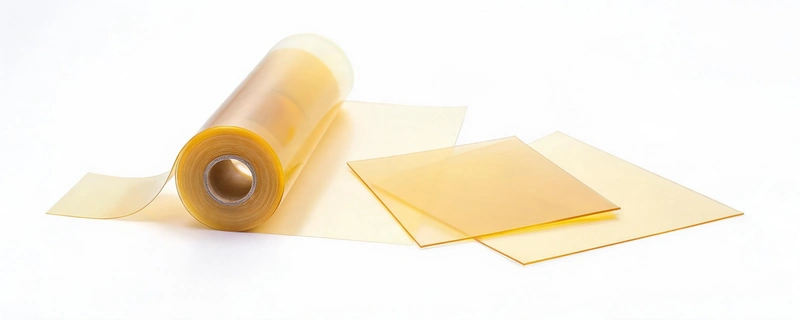
Many unfilled PEI films have a transparent amber appearance. Depending on the grade, thickness and manufacturing process, PEI film may be considered for electrical insulation, specialty electronic components and other industrial applications where a thin engineering polymer material is required.
1. What Is PEI Film?
PEI stands for polyetherimide. It is an amorphous thermoplastic known for its useful combination of thermal, mechanical and electrical properties. PEI film is manufactured as a thin polymer layer using a process suitable for the specific resin and required film characteristics.
Unlike rigid PEI sheets and rods, film offers a thinner and more adaptable material format. It can be supplied in rolls or sheets depending on the manufacturer's production capabilities.
Film properties are influenced by resin grade, thickness, orientation, surface finish and processing conditions. Therefore, buyers should evaluate the actual film specification rather than relying only on general PEI resin data.
2. Key Properties of PEI Film
Thermal Performance
PEI is selected for applications requiring performance at elevated temperatures. However, the usable temperature range of a film depends on the exact grade, thickness, mechanical loading and exposure duration.
Electrical Insulation
PEI can provide useful electrical insulation characteristics. Film thickness, dielectric strength, frequency, temperature, humidity and test conditions should be considered when designing electrical components.
Mechanical Strength
PEI film can offer a combination of tensile strength and stiffness for thin-film applications. Actual performance depends on film production, thickness, orientation and grade.
Transparency and Appearance
Many unfilled PEI grades are naturally amber and can be translucent or transparent. Optical clarity is affected by film thickness, surface quality and formulation.
Flame Performance
PEI is known for its inherent flame performance. Nevertheless, flame, smoke and toxicity results must be verified for the exact film construction and applicable testing standard. A general description of PEI does not establish certification for a finished product.
3. Main Applications of PEI Film
Electrical Insulation
PEI film may be considered for selected electrical insulation applications where a thin polymer material with thermal stability and dielectric characteristics is required.
Examples may include insulating layers, separators and specialty electrical components. The actual design should be based on dielectric testing, thickness requirements and operating conditions.
Electronic Components
In electronics manufacturing, PEI film may be evaluated for selected insulating layers, protective components and specialty substrates. Compatibility with adhesives, copper layers, lamination temperatures and other materials must be assessed.
PEI should not automatically be treated as a direct replacement for established flexible printed circuit materials. Thermal cycling, dimensional stability, adhesion and electrical reliability require application-specific testing.
Medical and Healthcare Applications
Selected PEI materials may be considered for certain medical and healthcare-related applications. However, the suitability of a PEI film for medical packaging or device use depends on the exact grade, barrier requirements, sterilization method and applicable regulations.
Steam sterilization, gamma radiation and other sterilization processes can affect materials differently. Compatibility must be validated using the actual film and finished package configuration.
Aerospace and Transportation Interiors
PEI materials may be evaluated for selected aerospace and transportation interior applications where weight, thermal behavior, mechanical performance and flame characteristics are important.
Specific aerospace applications may require testing for flame, smoke and toxicity (FST) under designated standards. PEI film should not be assumed to meet FAA or other aerospace requirements without the relevant test reports and product documentation.
4. PEI Film vs. Other High-Performance Films
PEI is one of several engineering polymers available in film form. The most suitable material depends on the required temperature, flexibility, electrical behavior, chemical exposure and cost.
PEI vs. PI Film
Polyimide (PI) film is widely used in flexible electronics and electrical insulation. PEI offers a different combination of transparency, mechanical properties and processing characteristics. The choice depends on the required temperature range, flexibility, dielectric performance and manufacturing process.
PEI vs. PET Film
PET film is commonly selected for cost-effective packaging, insulation and general industrial applications. PEI may be considered when higher-temperature performance or other specialized engineering properties are needed.
PEI vs. PEEK Film
PEEK film is used in demanding applications requiring high thermal and chemical performance. PEI may be attractive for applications where its specific mechanical, electrical and optical characteristics are more suitable. Cost, processing and operating conditions should all be considered.
5. Limitations and Design Considerations
Ultraviolet Exposure
Long-term ultraviolet exposure may affect the appearance and properties of polymer films. Standard PEI film should not be assumed to provide long-term outdoor weathering resistance. UV exposure testing or a suitable protective solution may be necessary.
Chemical Compatibility
PEI's chemical resistance depends on the chemical, concentration, temperature, exposure duration and mechanical stress. Certain solvents and aggressive chemicals may cause swelling, cracking or property changes. Check compatibility before use.
Surface Scratching
Thin films can be scratched or damaged during winding, cutting, transport and assembly. Clean handling procedures and suitable protective packaging help maintain surface quality.
Thermal Expansion and Dimensional Stability
Film dimensions can change with temperature and processing history. For precision applications, evaluate thermal expansion, tension during processing and dimensional changes after thermal exposure.
6. How to Select the Right PEI Film
Selecting a suitable PEI film requires more than specifying the polymer name. Buyers should provide the following information:
- Thickness: Specify the required film thickness and allowable thickness variation.
- Width and format: Confirm whether rolls, cut sheets or customized dimensions are required.
- Optical requirements: Specify transparency, color, haze and surface appearance requirements.
- Operating temperature: Describe continuous and short-term temperature exposure.
- Electrical requirements: Identify dielectric strength, insulation and other relevant electrical parameters.
- Environmental conditions: Include UV exposure, humidity, chemical contact and mechanical loading.
- Regulatory requirements: Identify applicable medical, electrical or aerospace standards where required.
7. PEI Film Handling and Storage
Proper handling helps protect film quality during storage and downstream processing. The following practices are useful for industrial buyers and converters:
- Store film in clean, dry conditions according to supplier recommendations.
- Keep rolls or sheets protected from dust, scratches and mechanical damage.
- Avoid excessive bending, creasing and tension during unwinding.
- Use clean gloves or suitable handling equipment when surface cleanliness is important.
- Confirm whether protective masking should remain in place during cutting and assembly.
- Allow material to reach a stable temperature before precision dimensional inspection.
8. PEI Film from Teda Plastics
Teda Plastics supplies engineering plastic materials for international distributors, manufacturers and industrial customers. Our product range includes PEI, PEEK, PI, PTFE, PPS, PAI, PPSU and other high-performance polymer materials.
If you are sourcing PEI film, please share your required thickness, width, format, optical characteristics and intended application. We can discuss the relevant material specifications and available supply options based on your requirements.
For projects requiring other PEI forms, we can also discuss PEI sheets, rods, granules, powder and CNC-machined parts.
9. Frequently Asked Questions About PEI Film
1. What is PEI film?
PEI film is a thin film made from polyetherimide, an amorphous high-performance thermoplastic. Depending on the grade and thickness, it can offer mechanical strength, thermal performance, electrical insulation and an amber transparent appearance.
2. Is PEI film transparent?
Many unfilled PEI films have a transparent amber appearance. Actual transparency, color and optical quality depend on the grade, film thickness, surface finish and manufacturing process.
3. What is PEI film used for?
Depending on the grade, PEI film may be considered for electrical insulation, industrial components, specialty electronic applications and selected high-temperature applications.
4. Can PEI film be used in flexible printed circuits?
PEI film may be evaluated for selected electronic applications, but it is not automatically a direct replacement for established flexible circuit substrate materials. Dimensional stability, adhesion, thermal processing, dielectric performance and reliability must be tested.
5. Can PEI film withstand steam sterilization?
PEI has useful thermal properties, but suitability for repeated steam sterilization depends on the exact film grade, thickness, exposure conditions and finished package design. Validation is required for the intended medical application.
6. Is PEI film suitable for outdoor applications?
Long-term outdoor use requires evaluation of ultraviolet exposure, weathering, temperature changes and optical stability. Standard PEI film should not be assumed to provide long-term outdoor durability without grade-specific testing or suitable protection.
7. What thicknesses are available for PEI film?
Available thicknesses depend on the manufacturer, grade and production process. Contact the supplier with your required thickness, width, length and application to confirm available specifications.
8. What information is needed for a PEI film quotation?
Provide the required thickness, width, roll or sheet format, optical requirements, operating temperature, application and estimated quantity. Any relevant electrical, regulatory or testing requirements should also be specified.
Looking for PEI Film?
Tell us your required film thickness, dimensions and application. Contact Teda Plastics to discuss PEI film specifications and material options for your project.
Contact Teda Plastics