PTFE powder is a powdered form of polytetrafluoroethylene used in different industrial processes. Depending on its molecular characteristics, particle structure and intended application, PTFE powder may be used as a resin for manufacturing solid PTFE products or as a functional additive in other materials.
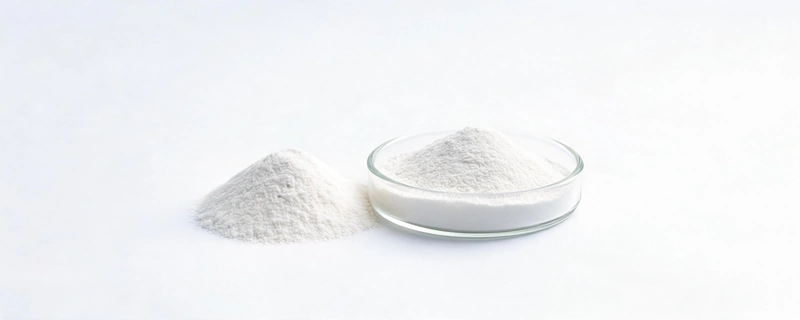
1. What Is PTFE Powder?
PTFE powder is not a single standardized product. Different grades are designed for different processing methods and end uses. For industrial buyers, the first step is to identify whether the requirement is for PTFE resin used to manufacture solid parts or micronized PTFE powder used as an additive.
PTFE Resin for Manufacturing
PTFE molding powder and fine powder resin are used to manufacture PTFE products such as sheets, rods, tubes, seals and other components. Their processing methods differ from conventional thermoplastic injection molding.
Micronized PTFE Powder for Additives
Micronized PTFE powder is used as a functional additive in lubricants, greases, coatings, printing inks and selected polymer compounds. It can help modify friction, surface slip, release behavior and wear performance, depending on the formulation and processing conditions.
2. Main Types of PTFE Powder
A. PTFE Molding Powder
Molding powder is commonly used in compression molding. The powder is compacted into a preform and then processed through sintering to produce solid PTFE shapes. These shapes may subsequently be machined into sheets, rods, tubes and finished components.
B. PTFE Fine Powder
Fine powder is commonly associated with suspension-free paste extrusion processes. It is used in applications such as thin-wall tubing, wire and cable coverings, and other extruded PTFE products. Processing typically involves specialized extrusion techniques and suitable processing aids.
C. Micronized PTFE Powder
Micronized PTFE powder is generally designed for use as an additive rather than for producing conventional molded PTFE stock shapes. It is incorporated into formulations to adjust surface properties, friction and wear behavior.
Different micronized grades may vary in particle size distribution, particle morphology, molecular characteristics, surface treatment and compatibility with the target system.
3. How Is PTFE Micropowder Manufactured?
Micronized PTFE products can be manufactured through different processes. Some grades are produced by controlled degradation of PTFE followed by size reduction, while other grades may use alternative processing routes.
The production route affects the characteristics of the final powder, including particle size distribution, morphology and performance in the target formulation. Buyers should therefore request grade-specific technical information instead of assuming that all micronized PTFE powders are produced in the same way.
4. Key Properties of PTFE Powder
- Chemical resistance: PTFE has excellent resistance to many chemicals. Compatibility should still be evaluated for the actual chemical, concentration, temperature and exposure conditions.
- Low friction: PTFE is known for its low-friction characteristics. Micronized PTFE can be used to modify friction and slip behavior in selected formulations.
- Thermal performance: PTFE has useful thermal resistance, but the performance of an additive-containing formulation depends on the complete material system and service conditions.
- Particle size distribution: Particle size and distribution can influence dispersion, surface finish, processing and final product performance.
- Non-stick characteristics: PTFE's low surface energy can contribute to release and anti-adhesion behavior in suitable applications.
- Wear modification: PTFE additives may improve selected tribological properties, but results depend on the base material, loading level, dispersion and operating conditions.
5. PTFE Powder Particle Size: D50 and D90
Particle size distribution is an important specification for micronized PTFE powder, especially when it is used in coatings, inks, lubricants and polymer compounds.
- D50: The median particle size. Approximately 50% of the measured particle population is below this value under the specified measurement method.
- D90: The particle size below which approximately 90% of the measured particle population falls.
Particle size alone does not determine performance. Particle shape, agglomeration, surface characteristics, dispersion method and the measurement technique can also affect the behavior of PTFE powder in a formulation.
When comparing suppliers, ask for the particle size distribution together with the measurement method and the relevant technical data sheet.
6. Industrial Applications of PTFE Micropowder
A. Lubricants and Greases
Micronized PTFE can be incorporated into selected lubricants and greases to modify friction, surface behavior and wear characteristics. The result depends on the base oil, additive concentration, dispersion quality and operating conditions.
B. Industrial Coatings
PTFE micropowder is used in some coating formulations to improve surface slip, release behavior and abrasion resistance. Compatibility with the binder, curing system and other additives should be evaluated during formulation development.
C. Printing Inks
In selected printing ink systems, PTFE additives can help improve rub resistance, scratch resistance and surface slip. The appropriate grade and dosage depend on the ink chemistry, printing process and required surface finish.
D. Engineering Plastics Modification
PTFE micropowder can be incorporated into selected engineering plastics, including POM and PA, to modify friction and wear characteristics. It may also be evaluated in other polymer systems, depending on processing compatibility and formulation requirements.
Adding PTFE does not automatically improve every mechanical property. The effect on strength, stiffness, impact behavior and processing must be assessed through formulation trials.
7. PTFE Powder vs. PTFE Resin
Although both products are based on PTFE, their intended applications and processing requirements are different.
| Product Type | Main Purpose | Typical Applications |
|---|---|---|
| PTFE Molding Powder | Raw material for compression molding | Sheets, rods, tubes and machined PTFE parts |
| PTFE Fine Powder | Raw material for paste extrusion | Tubing, wire and cable coverings and extruded products |
| Micronized PTFE Powder | Functional additive | Lubricants, coatings, inks and polymer compounds |
These materials are not interchangeable. Confirm the intended manufacturing process and application before selecting a grade.
8. How to Select the Right PTFE Powder
Selecting the correct PTFE powder requires more than comparing particle size or price. The following information helps identify a suitable product:
- Application: Define whether the powder is intended for molding, extrusion, lubricants, coatings, inks or polymer modification.
- Particle size: For micronized grades, specify the required D50, D90 and particle size measurement method where applicable.
- Base formulation: Identify the oil, coating, ink or polymer system into which the powder will be incorporated.
- Processing method: Consider mixing, dispersion, extrusion, molding or other processing requirements.
- Performance targets: Define the required friction, wear, release, surface finish or other functional properties.
- Documentation: Request the technical data sheet (TDS), safety data sheet (SDS) and relevant test information.
- Supply requirements: Confirm packaging, order quantity and any special handling or transportation requirements.
9. Storage, Handling and Safety
PTFE powder should be stored in its original, properly sealed packaging under the storage conditions recommended by the manufacturer. Protect the product from contamination, excessive moisture and physical damage to the packaging.
Fine powders can generate airborne dust during transfer, weighing and mixing. Use appropriate workplace ventilation and handling procedures, and follow the product-specific Safety Data Sheet (SDS) for personal protective equipment and exposure controls.
Avoid overheating PTFE materials during processing. Thermal decomposition can produce hazardous fumes. Processing temperatures and ventilation requirements must follow the manufacturer's instructions and applicable workplace safety regulations.
10. Frequently Asked Questions
11. PTFE Powder Supplier – Teda Plastics
Teda Plastics Co., Ltd. supplies engineering plastic materials and PTFE-related products for industrial customers. We understand that different PTFE powder grades serve different manufacturing and formulation requirements.
When contacting us, please provide your intended application, required powder type, particle size requirements, processing method and estimated order quantity. This information helps us review your requirements and discuss a suitable product specification.
Looking for PTFE Powder?
Send us your application details, powder type and required specifications for a product inquiry.
Request a Quote WhatsApp Us